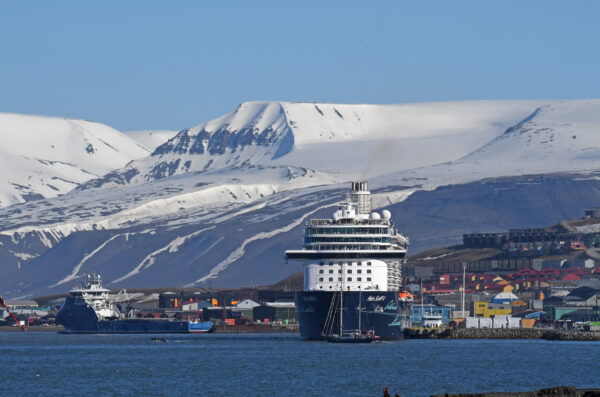
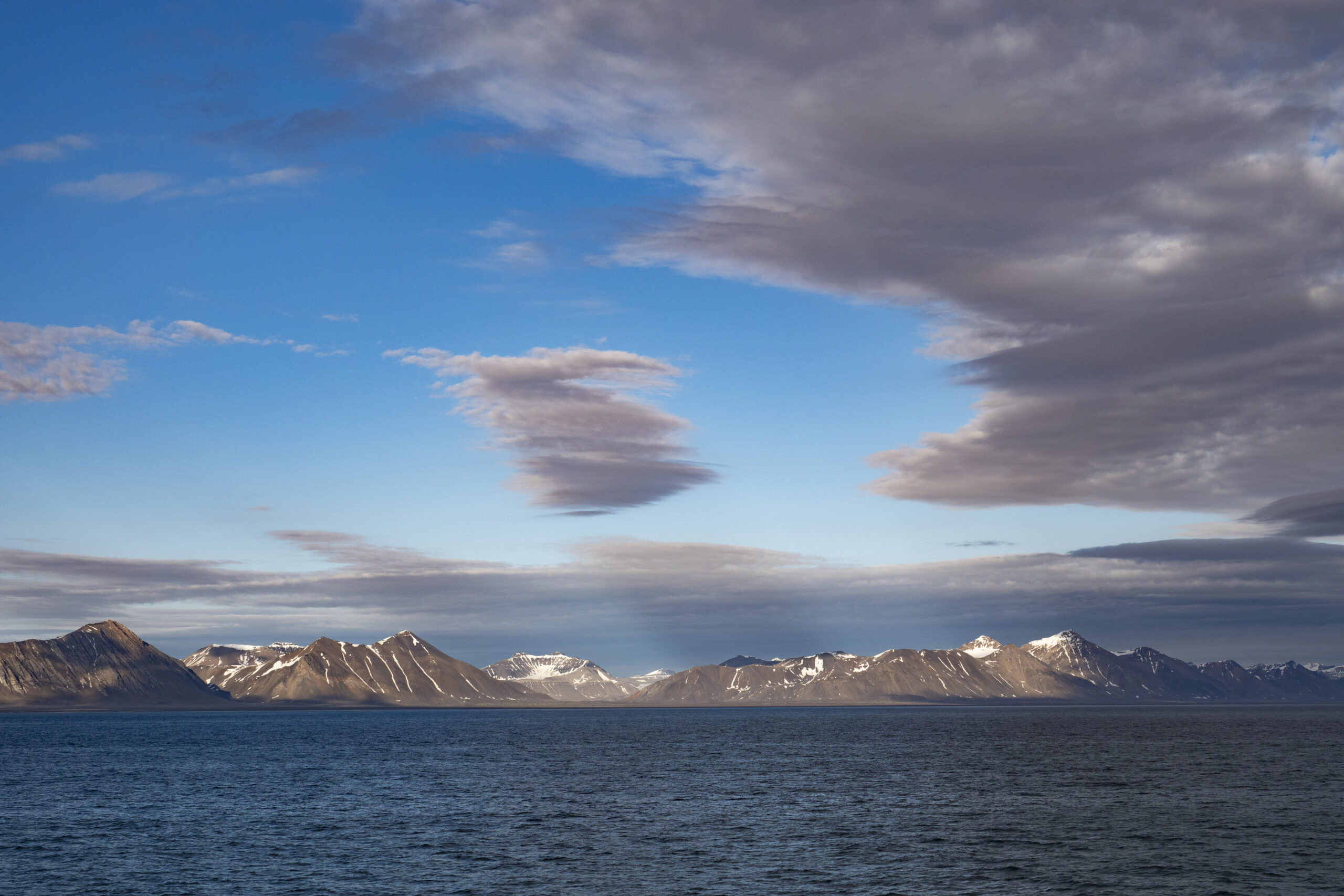
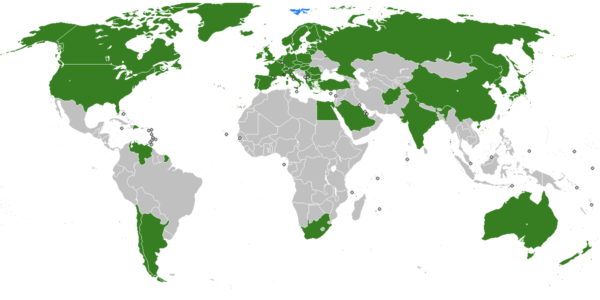
In light of the current focus on Greenland, the New York Times recently published an interesting article about Svalbard. One of the authors is the Norwegian journalist Louise Krüger, based in Longyearbyen. Since 1925, the administration of the archipelago near the North Pole has been placed in the hands of Norway through the Svalbard Treaty. Around 50 countries, including the USA, Russia, China and most European countries, have acceded to this treaty, which was signed in Versailles at the time. In principle, they all have equal rights of use, but these are determined by Norway. Norway has declared it a national goal to make Svalbard the best-managed wilderness area in the world. The vast majority of the archipelago is largely excluded from extractive forms of use in the form of national parks and strict nature reserves. This conservation success, achieved through cooperation between tourism companies operating in Svalbard and nature conservation associations, is described in more detail in the book about the East Atlantic Flyway.
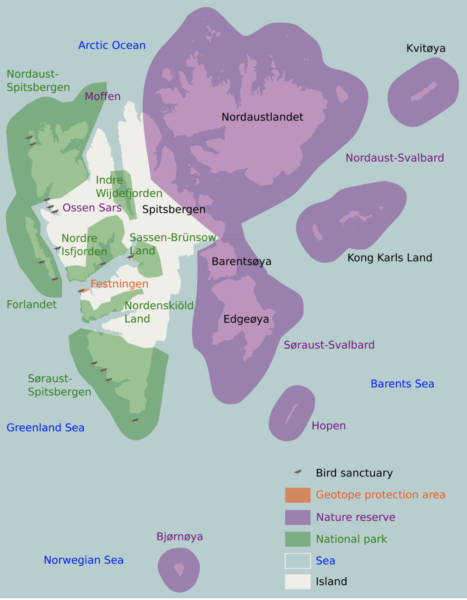
For many decades, there has been peaceful coexistence, e.g. between the Soviet/Russian coal settlement of Barentsburg and the Norwegian capital Longyearbyen, and even greater cooperation between various research institutions in the research village of Ny Ålesund. The town of Longyearbyen, which now has a population of 2,500, is home to citizens of many different nations. Foreigners can also apply to study at the Norwegian university branch UNIS. However, thanks to increasing international tensions in the Arctic and around the world, many things are now being handled in an increasingly restrictive manner, and discussions about the interpretation of the Svalbard Agreement are intensifying. Norway attaches great importance to emphasising that Svalbard belongs to Norway just as much as the provinces (Fylke) on the Norwegian mainland. On the other hand, even the EU is in dispute with Norway over the rights to use the sea areas around Svalbard, whether they are part of Norway or subject to the Svalbard Treaty. Not to mention Russia, which is taking an increasingly harsh tone.
The article in the New York Times vividly describes the tense atmosphere:
https://www.nytimes.com/2026/01/11/world/europe/svalbard-norway-arctic-control.html
If you are reading Norwegian, here you find the most recent position and interpretation of the Svalbard Treaty of and by Norway: Svalbard – del av Norge side 1925