
by Even Moland & Peter Prokosch
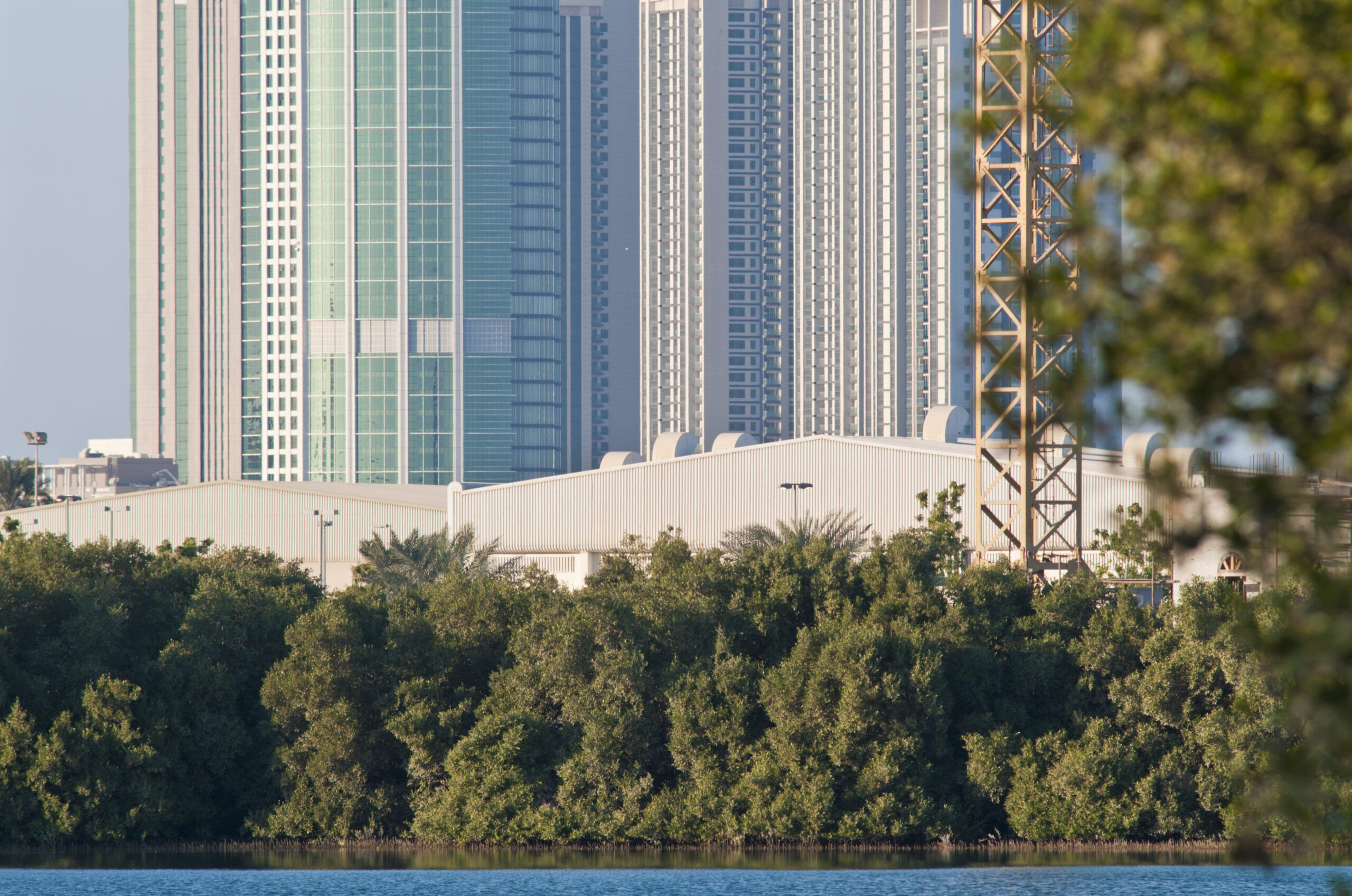
While Norwegians focus on fuel prices and global powers position themselves militarily, nature in the Strait of Hormuz remains practically voiceless. A unique and globally important ecosystem risks being destroyed if war leads to a major oil spill in this area.
Hormuz is now on everyone’s lips. Iran’s blockade dominates the news, and for good reason. But this famous strait, which connects the Persian Gulf with the Gulf of Oman, is much more than a geopolitical bottleneck for global oil trade.
The strait is part of a large coastal and marine area, 33 kilometres wide at its narrowest point. The shipping lane itself, where the largest supertankers – carrying up to three million barrels of oil – pass, is only about three kilometres wide. An accident here could have dramatic consequences for coastlines, islands, and communities across the region.
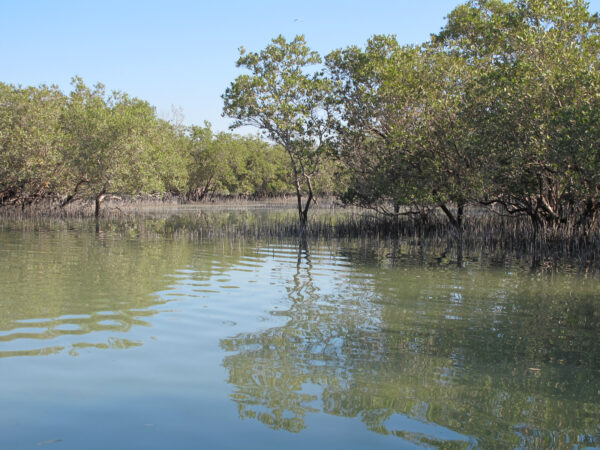
Like many natural transition zones, this area is a biodiversity hotspot. Its islands and bays contain spectacular geology, unique cultures, and local languages. Small-scale coastal fishing is vital for settlement and food security, and the shallow lagoons with seagrass and coral are among the most productive ecosystems in the region.
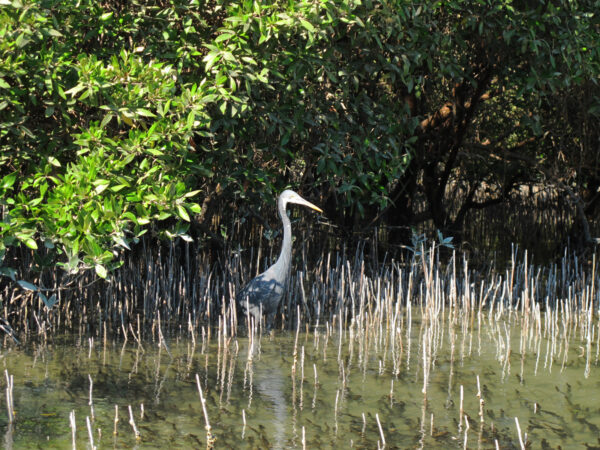
On Qeshm Island, on the Iranian side of the strait, lies Hara, a mangrove forest of global importance and a UNESCO biosphere reserve. Surrounded by wetlands, it serves as a critical stopover for migratory birds, providing the energy they need before continuing north to their breeding areas.
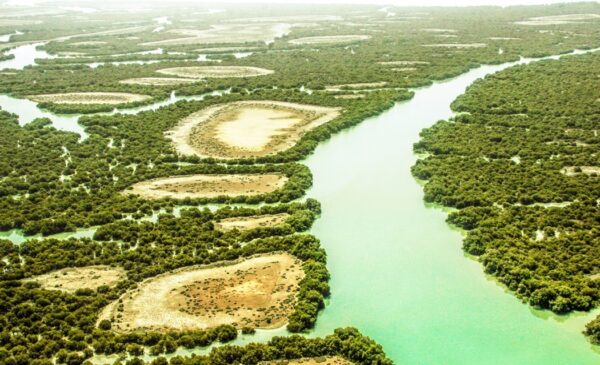
Along this migration route, there are several key sites. One of the most important is the Sivash wetland system in the Sea of Azov, north of the Crimean Peninsula. Today, this vast and internationally significant area lies in a war-affected, Russian-occupied region. Sivash is crucial for migratory birds following the same route that links Hormuz with northern breeding grounds, but it is also highly vulnerable. The war has already disrupted ecological conditions in the area, placing additional pressure on an already fragile system.
These distant areas are thus connected as parts of one vital ecological network. When nature is damaged in one place, the whole system weakens. This irreplaceable natural wealth forms the foundation of ecosystem function, and therefore the future of both nature and humanity.
The intact nature of the Strait of Hormuz is the true capital for the people who live there: for their cultures, fisheries, and the migratory birds that depend on these habitats. Good lives and sustainable communities depend on this natural wealth not being destroyed by war, accidents, or oil spills.
Oil, however, does not represent the future. The shortages we are now experiencing are partly due to our failure to transition away from fossil dependence, an issue that has been on the agenda for decades. Yet we continue to respond with short-term measures in times of crisis, making rushed political decisions without long-term responsibility.
At the same time, global crises are intensifying: climate change, biodiversity loss, land degradation, and pollution. These were already serious threats to the regions discussed here. Now, wars add to them, with massive emissions, destruction of nature, and a willingness to sacrifice both people and the environment.
The wars in Ukraine and the Middle East stand as two brutal examples, not only of human suffering, but of how nature, silent and without a voice, becomes one of the greatest victims.
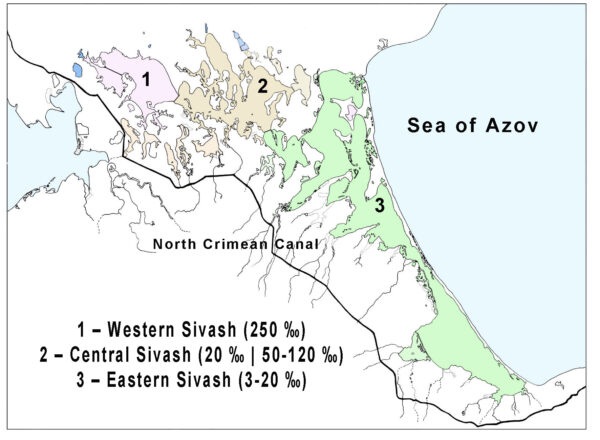
In Sivash, this is especially evident. One of Europe’s most important areas for migratory birds has become part of a war zone, further weakening a fragile ecosystem. Values built up over thousands of years can be degraded in just a few seasons.
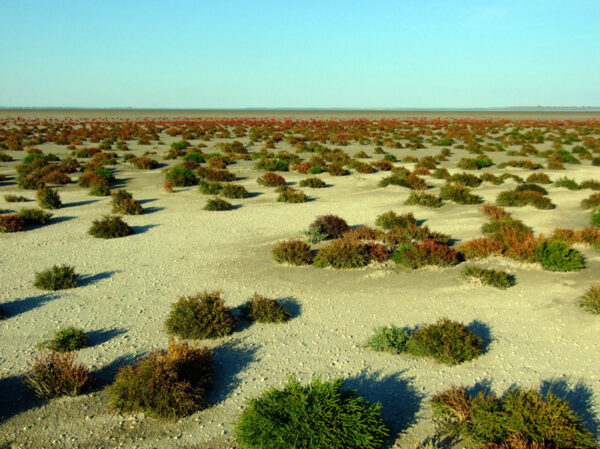
This is not just a local loss. Sivash is part of the same ecological network that connects continents, from the wetlands of Hormuz to northern breeding grounds. When such key areas break down, the whole system suffers.
This is why it concerns us all. It is about understanding that nature’s infrastructure is as critical as human-made infrastructure, and far harder to repair. When war destroys nature, it undermines not only the present but also the foundation for future life.