Having just returned from our highly successful VISION 52 Study Tour along the East Atlantic Flyway—from the Netherlands via Jan Mayen to Svalbard—with 18 enthusiastic participants, I have been reflecting on a question that many environmentally conscious people ask themselves: Can long-distance travel still have a meaningful place in a world facing climate and biodiversity crises?
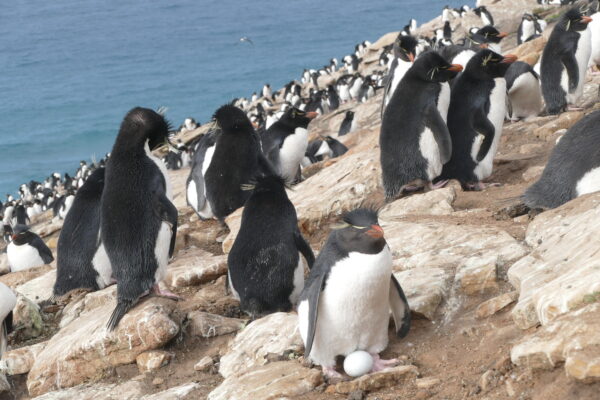
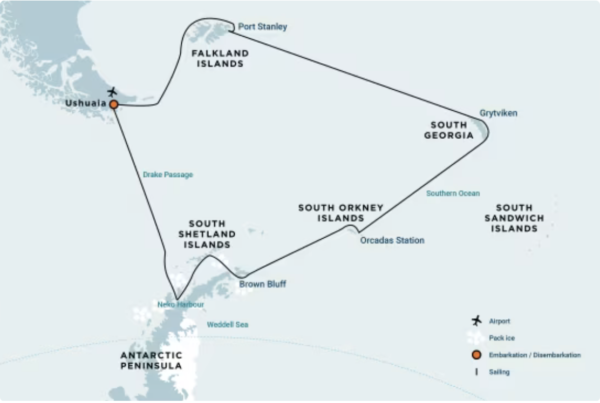
This question becomes particularly relevant when considering a journey to some of the most remote and spectacular places on Earth: the Falkland Islands, South Georgia and Antarctica. December 11 – 29, 2026, VISION 52 is therefore exploring the possibility of offering a dedicated study tour aboard Oceanwide Expeditions’ M/V Placius to these extraordinary regions. If you are interested in this study tour, you may contact peter.prokosch@gmail.com for further information on how to receive a 20% discount on the prices our partner, Oceanwide Expeditions, offers on its website for this voyage.
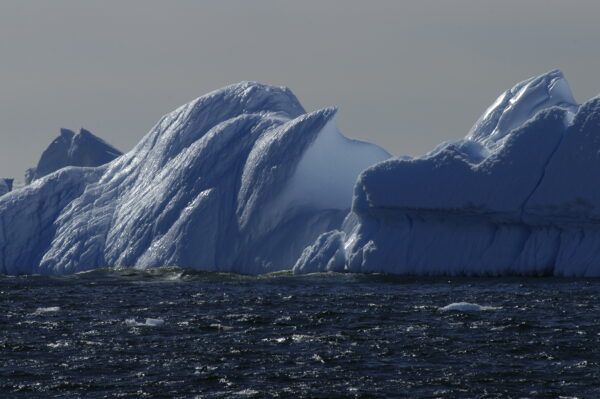
There are certainly arguments against such a journey. Travelling to the Southern Ocean involves considerable greenhouse gas emissions, and even with a group discount, participation represents a significant financial commitment. Some may reasonably ask whether such resources could be invested more effectively in conservation work closer to home.
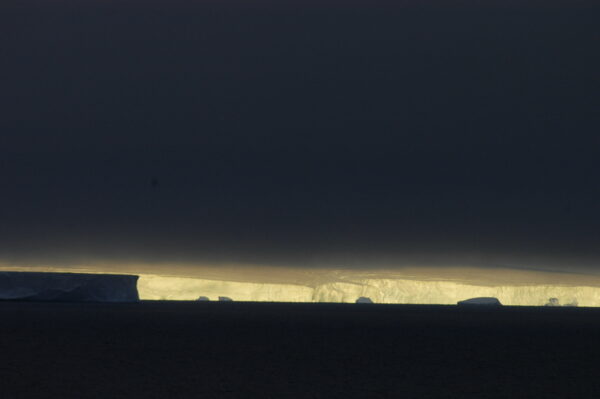
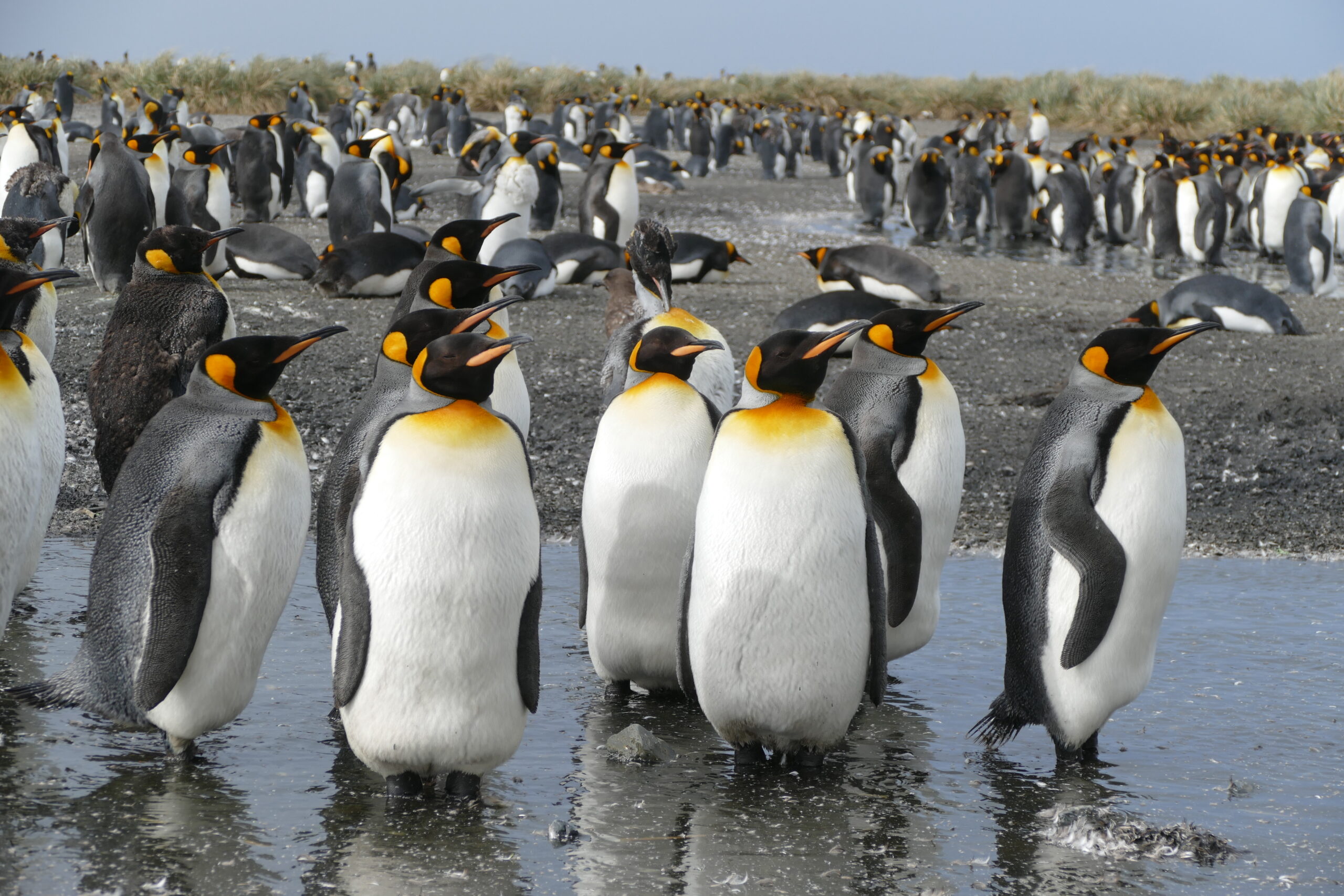
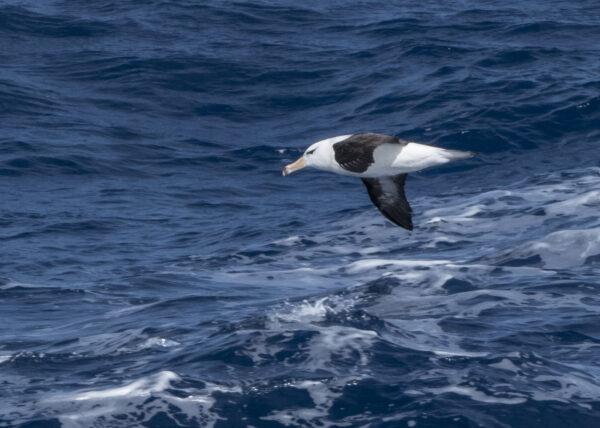
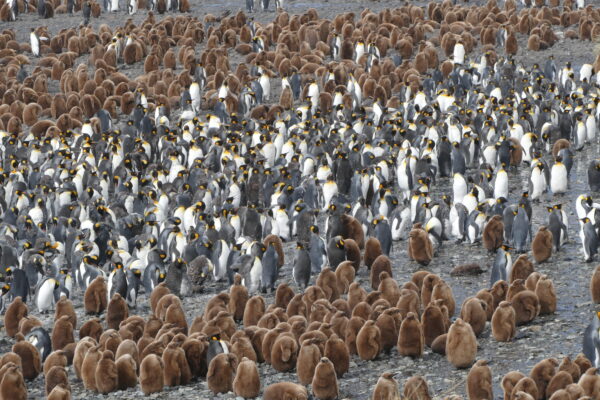
Yet there is another side to the equation. Throughout my professional life in conservation, I have repeatedly witnessed that people protect what they understand, and they understand best what they have experienced themselves. Encounters with wandering albatrosses soaring over the Southern Ocean, vast king penguin colonies on South Georgia, recovering whale populations, and the breathtaking landscapes of Antarctica create a level of awareness and commitment that books, documentaries and online meetings rarely achieve.
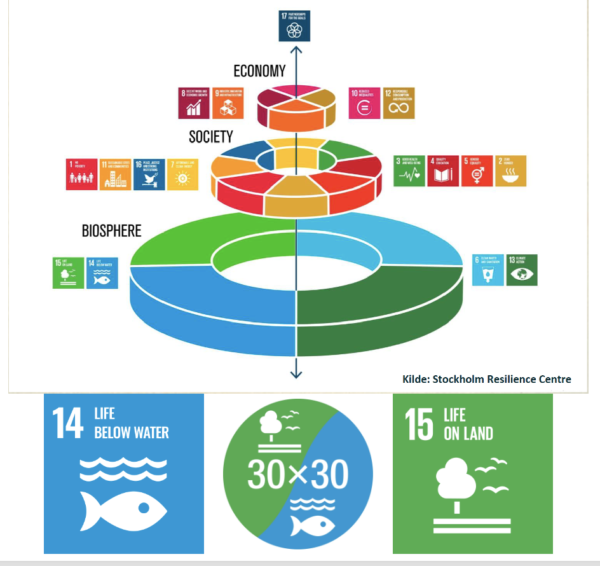
The proposed VISION 52 journey would therefore not simply be a cruise but would follow the still-living concept of my earlier organisation, Linking Tourism and Conservation (LT&C). We would be a travelling learning community, studying e.g. the LT&C Examples South Georgia and Antarctica. Participants would explore the ecological connections between the Antarctic, the Southern Ocean and the wider planet; discuss contemporary conservation challenges; and examine opportunities for international cooperation. Particular attention would be given to ongoing efforts to establish large-scale marine protected areas and fisheries-free zones in parts of the Southern Ocean, one of the most important remaining wilderness regions on Earth.
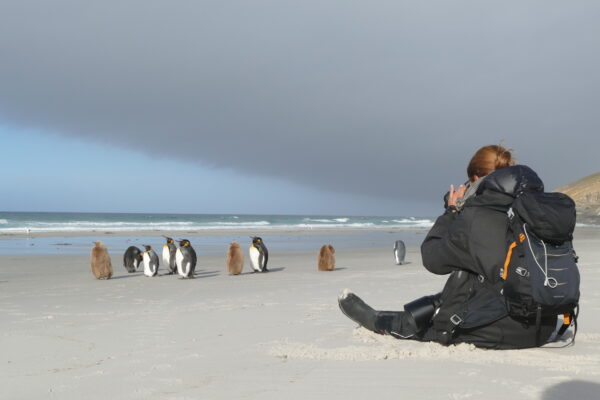
South Georgia itself provides an inspiring conservation success story. The eradication of invasive rodents and the recovery of seabird populations demonstrate that determined action can reverse environmental decline. Similar lessons can be drawn from Antarctic conservation efforts, where international agreements have shown that nations can cooperate to protect global commons. Such examples are increasingly important at a time when many environmental challenges seem overwhelming.
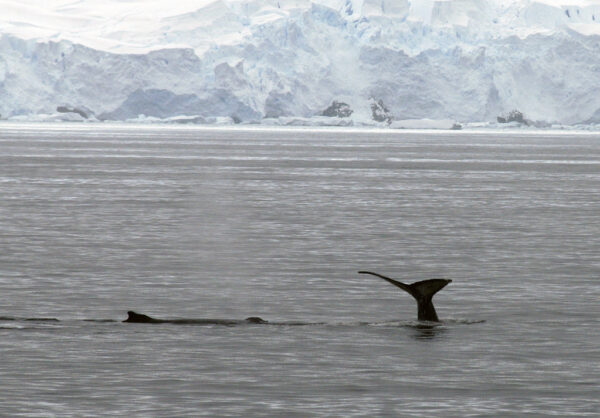
Participants would also be invited to consider how their personal experiences might translate into action after returning home. This could include supporting conservation campaigns, contributing to citizen science initiatives, strengthening environmental education efforts, engaging with local conservation projects, or helping to communicate the importance of polar ecosystems to wider audiences. The goal is not merely to visit these remarkable places, but to return as better-informed ambassadors for nature conservation.
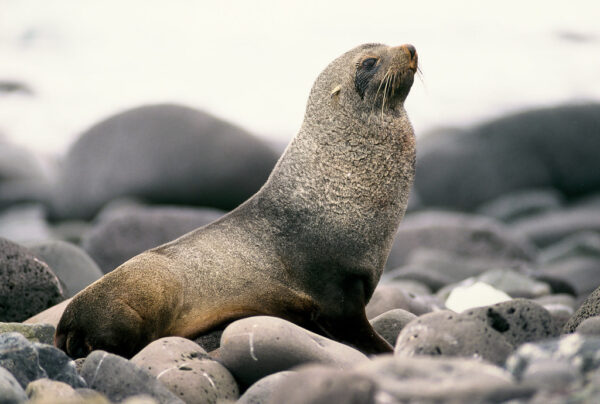
No expedition can erase its environmental footprint. However, a carefully designed educational journey can create something of lasting value: knowledge, inspiration, international networks, and renewed commitment to protecting our planet’s most vulnerable ecosystems. If travel is to retain a place in a sustainable future, it should be travel that deepens understanding, encourages responsibility, and motivates meaningful action.
This is the spirit in which VISION 52 is exploring a study tour to the Falkland Islands, South Georgia and Antarctica. The landscapes may be remote, but the lessons they offer are profoundly relevant to the future of life on Earth.