
Why one of Europe’s greatest conservationists still has much to teach us
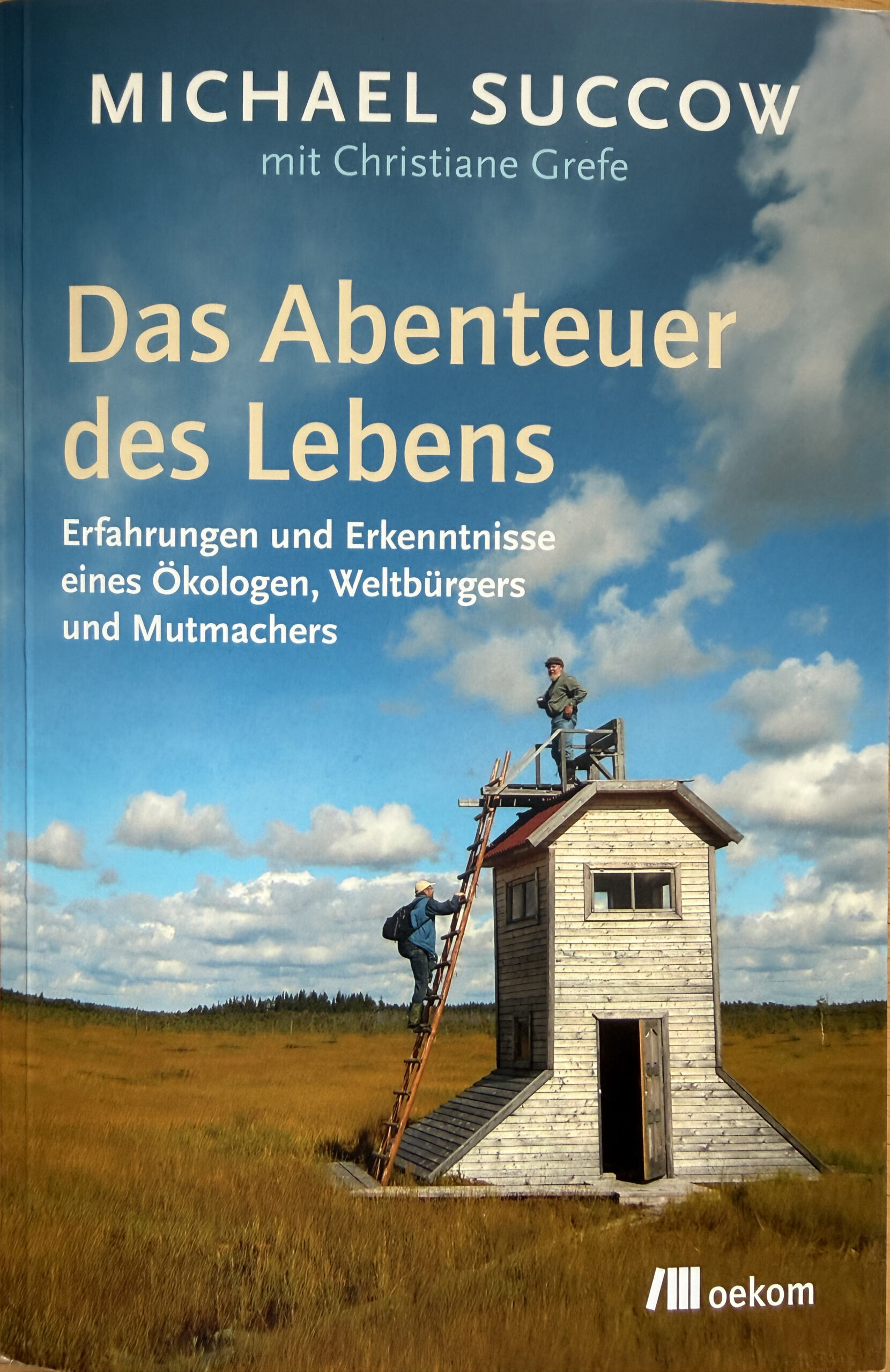
Some books are important because of what they say. Others because of who wrote them. Das Abenteuer des Lebens (“The Adventure of a Lifetime”), written by Michael Succow together with the journalist Christiane Grefe, is both.
I received this book from my friend Hannes Knapp. Reading it was a personal journey for me.
I first met Michael Succow during the dramatic months of German reunification, when he was leading the creation of the National Park Programme that ultimately secured five national parks, six biosphere reserves and three nature parks in the final days of the GDR. Those extraordinary months remain one of the greatest conservation achievements in European history, and I was fortunate to witness part of that remarkable period.
Over the following decades, I met his closest collaborator, Hannes Knapp, on many occasions. Hannes became one of the architects behind this conservation miracle, together with Michael Succow and Lebrecht Jeschke—a trio that changed the future of nature conservation in eastern Germany.
There was even a moment when Michael considered bringing me to the University of Greifswald as a professor of conservation. Life took us in different directions, but our professional paths have continued to intersect through our shared commitment to protected areas, international conservation and the future of wetlands.
That personal connection inevitably shaped my reading of this remarkable book.
Rather than presenting a conventional autobiography, Christiane Grefe has created a vivid collage of memories, conversations and reflections that captures Succow’s extraordinary personality. She portrays him as an ornithologist, botanist, peatland scientist, landscape ecologist, political strategist and tireless conservation activist—but above all as an optimistic visionary who never stopped believing that people can change the world.
That optimism is perhaps the book’s greatest strength.
At a time when many environmental professionals struggle with climate anxiety and biodiversity loss, Succow refuses resignation. His message is simple: conservation succeeds when science is combined with courage, persistence and political action. He has always insisted on speaking uncomfortable truths while never losing faith in humanity’s capacity to do better.
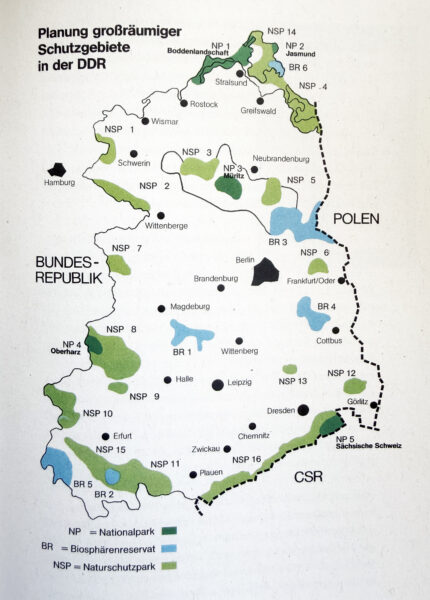
The story of the National Park Programme remains one of the book’s most compelling chapters. During the political chaos of 1990, Succow—then serving as Deputy Minister for the Environment—helped secure legal protection for nearly five percent of East Germany just days before reunification. Few conservation victories have ever been achieved so quickly or under such uncertain political circumstances. It remains a powerful reminder that moments of historic change can also become moments of extraordinary opportunity.
Yet the book is much more than a historical account.
Succow’s lifelong passion for peatlands, wetlands and landscapes has become even more relevant today. Decades before peatlands became recognised as critical climate allies, he understood their ecological importance. Today, restoration of peatlands is rightly seen as one of the most effective nature-based climate solutions—a field in which Succow was far ahead of his time.
What impressed me most, however, is not simply the impressive list of achievements—his Right Livelihood Award (“Alternative Nobel Prize”), the Michael Succow Foundation, or his international conservation work from Central Asia to Eastern Europe. It is his authenticity.
Even the Stasi files reportedly described him as possessing “disarming authenticity”—an unusual compliment from such a source. That authenticity shines through every chapter. Succow never portrays himself as a hero. Instead, he comes across as someone deeply connected to nature, driven by curiosity, moral conviction and an infectious enthusiasm that has inspired generations of conservationists.
For readers outside Germany, the book also offers an important lesson: successful conservation is rarely achieved by scientists alone. It requires people who can bridge science, politics, society and vision. Michael Succow belongs to that rare group of conservation leaders.
As someone who has spent much of my life working along the East Atlantic Flyway—from the Wadden Sea to the Arctic and Africa—I found many echoes of our shared experiences: the importance of protected areas, international cooperation, and the conviction that conservation must always be connected to hope rather than despair.
This is not simply the story of one man’s life.
It is the story of how courage, scientific integrity and persistence can change the destiny of landscapes—and perhaps inspire others to do the same.
For everyone working in conservation, environmental policy or restoration ecology, I can recommend The Adventure of a Lifetime without hesitation. It reminds us that history is not only something we inherit. Sometimes, if we are courageous enough, we have the privilege to help write it.