From witnessing Antarctica to taking responsibility for its future
Antarctica is one of the few remaining places on Earth where we can still think in terms of an entire ecosystem rather than isolated fragments of nature.
But that ecosystem is under increasing pressure. Climate change is transforming the Southern Ocean, while human activities are expanding. Among them is the commercial harvesting of Antarctic krill – a small crustacean that forms the nutritional foundation of an extraordinary part of the Southern Ocean food web.
This raises a fundamental question:
Should we continue to extract living organisms from the Southern Ocean, or should Antarctica become a global example of an ocean ecosystem protected as a whole?
VISION 52 believes that the time has come to work towards a complete ring of marine protection around Antarctica, consisting of a representative network of large, permanent Marine Protected Areas (MPAs), with fully protected no-take areas where no commercial extraction of living organisms is permitted – including krill.
This is not a new idea. It builds on a commitment already made within the Antarctic governance system and on years of work by governments, scientists, conservation organisations and others. But the ring is still incomplete.
VISION 52 now intends to make its completion a renewed focus of its work.
The warning from a Norwegian polar explorer
A timely starting point is a recent article by Norwegian polar explorer Liv Arnesen, published in Aftenposten on 24 September 2026.
Arnesen asks what it should mean for Norway to call itself a polar nation. She points specifically to the growing importance of Antarctic krill and to Norway’s role in the krill fishery. She calls on Norway to support precautionary catch limits and the establishment of protected areas around Antarctica, and argues for a gradual phase-out of krill fishing.
Her intervention is particularly relevant because Norway is not simply an observer in this discussion. Norway has a direct stake in Antarctic krill fisheries and a long tradition of polar research, nature conservation, and international environmental diplomacy.
This creates both a responsibility and an opportunity.
What is CCAMLR?
The central international body is the Commission for the Conservation of Antarctic Marine Living Resources – CCAMLR.
CCAMLR was established under the Convention on the Conservation of Antarctic Marine Living Resources, which entered into force in 1982. Its mandate is broader than simply regulating fisheries: its objective is the conservation of Antarctic marine living resources and the ecosystems of which they form part.
The Commission currently has 27 Members, with another 10 countries having acceded to the Convention. Decisions are taken by the Commission, supported by a Scientific Committee and a range of working groups and expert processes.
One of the most important developments has been CCAMLR’s commitment to establishing a representative system of Marine Protected Areas throughout the Convention Area.
The Ross Sea Region MPA, adopted in 2016, was a major breakthrough. Covering more than 1.5 million square kilometres, it demonstrated that large-scale marine protection is possible in the Southern Ocean. But the Ross Sea is only one part of the picture.
The objective should be a representative system extending around the entire Antarctic continent.
That is the origin of the “ring of marine protected areas” concept that VISION 52 has promoted for many years.
What is at stake at CCAMLR-45?
The 45th annual meeting of CCAMLR (CCAMLR-45) will take place in Hobart, Australia, from 19–30 October 2026. Representatives of the 27 CCAMLR Members will be negotiating conservation measures, including fisheries management and the future of Antarctic Marine Protected Areas.
Among the major issues are proposals for Marine Protected Areas in East Antarctica, the Weddell Sea and the Western Antarctic Peninsula/South Scotia Arc. These proposals represent important building blocks for a wider system of protection.
Krill will also be a major issue.
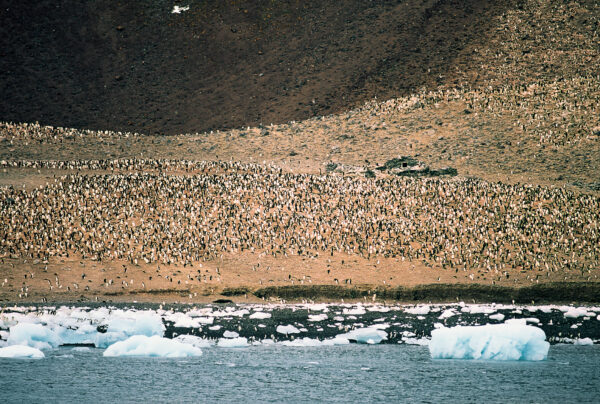
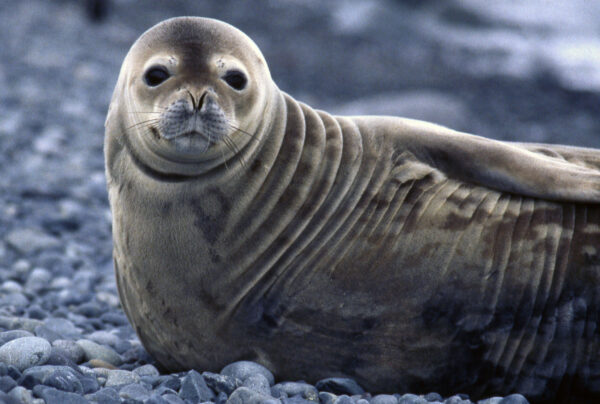
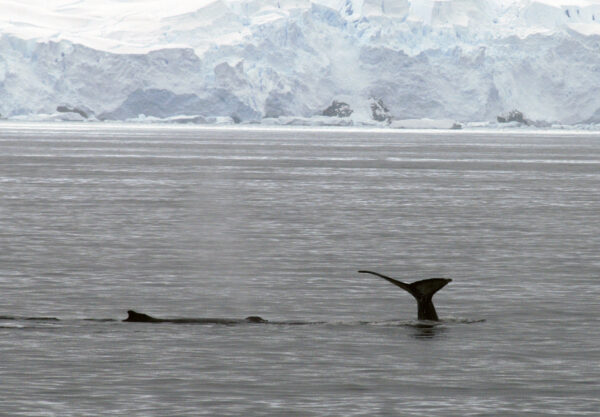
Krill is not simply another fishery resource. It is a key link between microscopic marine production and much of the Southern Ocean’s larger wildlife. Penguins, seals, whales and seabirds depend on it, directly or indirectly.
The management challenge is therefore not only how many tonnes of krill can theoretically be harvested. It is where, when and under what ecological conditions extraction takes place.
In August 2026, the krill fishery was closed for the second consecutive year after the interim overall trigger level of 620,000 tonnes had been reached. A Norwegian parliamentary question subsequently highlighted the issue of restoring binding geographical and seasonal catch limits. The Norwegian Government responded that consensus for such an approach currently does not exist within CCAMLR.
This illustrates the fundamental difficulty: CCAMLR operates by consensus.
One or a few Members can therefore prevent agreement even where broad scientific and political support exists for stronger conservation measures.
Norway can play a constructive bridging role
Norway’s position is particularly interesting.
The Norwegian Government describes Norway as an active and responsible participant in CCAMLR and points out that CCAMLR has the unusual task of combining conservation with the management of fisheries. Norway has also stated that it has tried to act as a bridge between Members prioritising marine protection and those placing greater emphasis on fisheries.
Norway is already a co-sponsor of the East Antarctic Marine Protected Area proposal, together with Australia, the EU and its Member States, India, New Zealand, South Korea, Ukraine, the United Kingdom, the United States and Uruguay. Norway has also been involved in the Weddell Sea MPA process.
This provides a basis for constructive leadership.
VISION 52 would like to see Norway use its position to help move the discussion from a choice between “conservation” and “fishing” towards a broader ecosystem approach:
Where should extraction simply not take place because the area’s ecological value is more important than the fishery?
And ultimately:
Can we agree that some parts of the Southern Ocean should be completely free of commercial extraction?
A particularly powerful contribution from Norway would be to support a coherent system of large, permanent MPAs around Antarctica, including fully protected no-take areas, while working diplomatically with all CCAMLR Members to achieve consensus.
Tourism has an important role to play
There is another group with a very direct interest in the future of the Southern Ocean: the people who travel there.
Antarctic tourism has expanded considerably. IAATO reports more than 27,000 cruise-only visitors and more than 85,000 landed visits during the 2025–26 season, in addition to deep-field visitors.
This creates both a responsibility and an opportunity.
The International Association of Antarctica Tour Operators (IAATO) was founded in 1991 and now brings together more than 100 Antarctica-bound operators. Its stated mission includes environmentally responsible travel, cooperation, education and creating a corps of ambassadors for the continued protection of Antarctica.
IAATO already participates in the Antarctic Treaty Consultative Meeting as an invited expert organisation. Its members collect and report substantial information on Antarctic tourism and have developed detailed procedures for minimising the environmental impacts of visits.
Importantly, IAATO also has a history of engaging with marine conservation. Its educational material has used encounters with fishing vessels as an opportunity to explain CCAMLR and Marine Protected Areas to passengers.
This could go much further:
Tourism can become a political constituency for marine protection
Tour operators have a direct economic interest in maintaining the Antarctic environment. Their product depends on healthy ecosystems, spectacular wildlife and the perception of Antarctica as one of the world’s great wilderness areas.
But their influence goes beyond economics.
Every Antarctic expedition brings together people from many countries. Visitors return home as voters, consumers, taxpayers, scientists, journalists, teachers, business people and citizens.
They can therefore become ambassadors for Antarctic marine protection.
This was already recognised in the VISION 52/LT&C example Completing a Ring of Marine Protected Areas around Antarctica. The idea was simple: Antarctic tourism can create a “virtuous circle” in which operators and their customers support marine protection politically, publicly and practically.
The opportunity is still there – perhaps more strongly than ever.
From an Antarctic expedition to an Antarctic campaign
In December 2026, I will have an opportunity to test this approach myself.
I will be guiding a group on a voyage with Oceanwide Expeditions – an IAATO member – to the Falklands, South Georgia and the Antarctic Peninsula.
Rather than treating conservation as something that happens only during a lecture on board, why not make the expedition itself an opportunity for action?
I would like to explore with Oceanwide Expeditions whether passengers could be invited to support a simple common message:
Complete the ring of Marine Protected Areas around Antarctica.
Protect the Southern Ocean from industrial extraction.
Establish fully protected no-take areas, including protection of Antarctic krill.
This does not require passengers to become activists or to adopt a particular political position.
It could simply give them the opportunity to say:
“I have experienced Antarctica. I want to see its marine ecosystems protected.”
What could Oceanwide and other operators do?
A practical initiative could include several simple elements:
1. An Antarctic protection briefing
During the voyage, passengers could receive presentations explaining CCAMLR, the existing Ross Sea MPA, the remaining MPA proposals and the ecological importance of krill.
2. A “voice of Antarctic visitors” statement
Passengers could voluntarily sign a statement supporting completion of the Antarctic MPA network.
3. Direct communication with decision-makers
Passengers could be provided with a simple way of contacting their own governments and CCAMLR representatives, asking them to support progress on Antarctic MPAs and precautionary protection of krill-dependent ecosystems.
4. A message from the tourism industry
Oceanwide and other IAATO members could consider publicly supporting the completion of a representative Antarctic MPA network.
Such a statement would be particularly meaningful because it would come from companies whose future depends upon the continued ecological integrity of Antarctica.
5. IAATO engagement
The initiative could be brought to IAATO as a positive example of how tourism can contribute to conservation beyond simply minimising its own footprint.
The aim would not be to turn IAATO into a political campaign organisation. Rather, it would be to demonstrate that the Antarctic tourism community has a legitimate and constructive voice in discussions about the protection of the ecosystem on which Antarctic tourism depends.
A new VISION 52 initiative
This is where VISION 52 would like to take the idea one step further.
Our previous work on “Completing a Ring of Marine Protected Areas around Antarctica” was developed in the context of the successful establishment of the Ross Sea Region MPA in 2016. At the time, the ambition was to use tourism as an additional voice to encourage CCAMLR Members to complete the network.
Almost a decade later, the ring remains incomplete.
VISION 52 therefore proposes to renew this initiative and to build a wider coalition, respectively contributing to existing ones such as the Antarctic and Southern Oceans Coalition (ASOC) around it:
A Complete Ring of Marine Protection around Antarctica
Our objective is to encourage:
-
- a representative network of large and permanent Antarctic MPAs;
-
- effective fully protected no-take zones within this network;
-
- protection of important feeding and breeding ecosystems;
-
- precautionary management of Antarctic krill;
-
- an eventual Southern Ocean in which the most important ecological areas are protected from commercial extraction;
-
- stronger engagement by Antarctic tourism and its customers;
-
- and constructive leadership by Norway and other CCAMLR Members.
The Ross Sea showed that an apparently impossible agreement can eventually become reality.
The next challenge is to complete the ring.
From visitors to ambassadors
Antarctica has an extraordinary capacity to change the people who experience it.
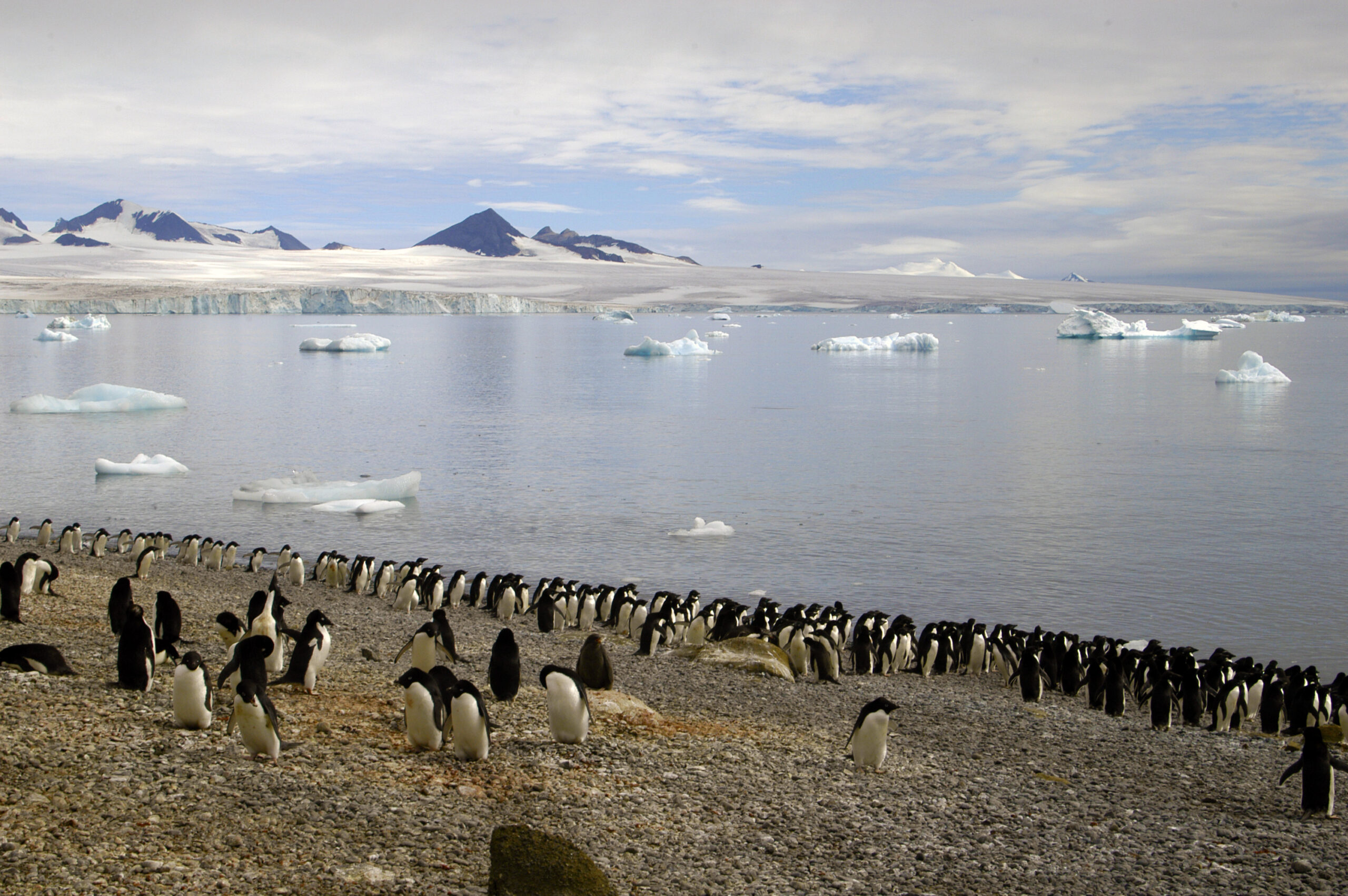
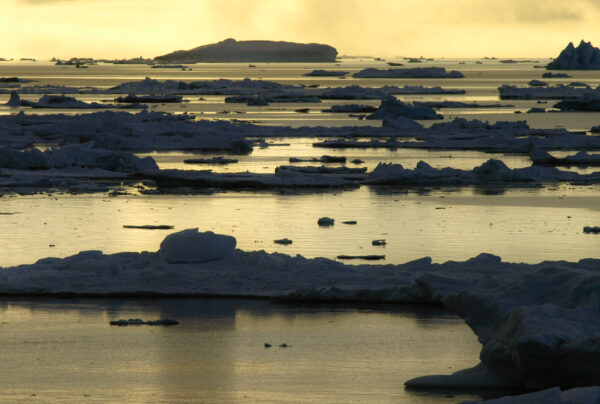
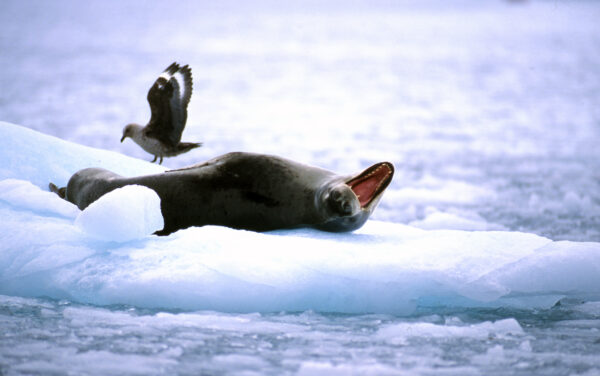
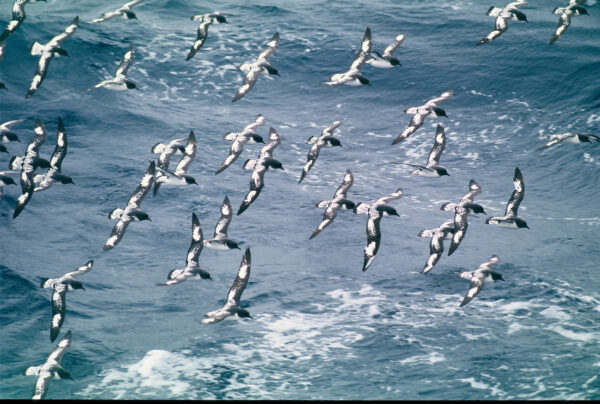
A penguin colony, a whale surfacing beside the ship, thousands of seabirds over the ocean or the silence of a vast ice-covered landscape can create an understanding that is difficult to achieve through photographs or reports.
That experience creates a responsibility.
IAATO itself describes Antarctic visitors as potential ambassadors for the continued protection of Antarctica.
Let us put that idea into practice.
If thousands of people who have experienced Antarctica personally return home with the same simple message – protect the Southern Ocean as an ecosystem – their collective voice can become significant.
And if the tourism industry joins them, that voice becomes stronger still.
The VISION 52 challenge
I would like to use my December expedition with Oceanwide Expeditions as a starting point.
Can we turn an Antarctic journey into the beginning of a conservation movement?
Can passengers from different countries return home not only with memories and photographs, but also with a commitment to help complete the ring of marine protection around Antarctica?
Can Antarctic tourism demonstrate that experiencing nature can lead directly to protecting it?
VISION 52 invites Antarctic tour operators, IAATO members, scientists, conservation organisations and Antarctic visitors to join this effort.
The Southern Ocean is too important to be managed only as a collection of fisheries and individual protected areas.
Let us complete the ring.
Let us make Antarctica an example of an ocean ecosystem where protection comes first.
And let us ensure that future generations can experience the Southern Ocean not only as we found it – but as a living ecosystem that we had the courage to protect.