GRID-Arendal’s new publication highlights opportunities for better krill management – but the outcome of CCAMLR-45 shows how urgently political commitments must be translated into action. VISION 52 calls for renewed efforts to complete a ring of marine protection around Antarctica.
31 October 2026
A timely contribution from GRID-Arendal
Just as governments gathered in Hobart, Australia, for the annual meeting of the Commission for the Conservation of Antarctic Marine Living Resources (CCAMLR), a timely new publication from GRID-Arendal, the University of the Arctic (UArctic) and Zoï Environment Network offered an important contribution to the debate.
Finding Common Ground for Antarctic Krill Management, published on 29 October 2026, examines the ecological importance of Antarctic krill, the changing distribution of fishing activity and the challenges facing the international management of this critical resource.
VISION 52 warmly welcomes this publication. It combines scientific evidence, fisheries information and detailed maps to make a complex issue more accessible to policymakers, scientists, conservation organisations and the fishing industry.
Its central message deserves particular attention: managing krill is not simply a question of how much can be caught. It is also a question of where and when fishing takes place, and how it affects the wider Southern Ocean ecosystem.
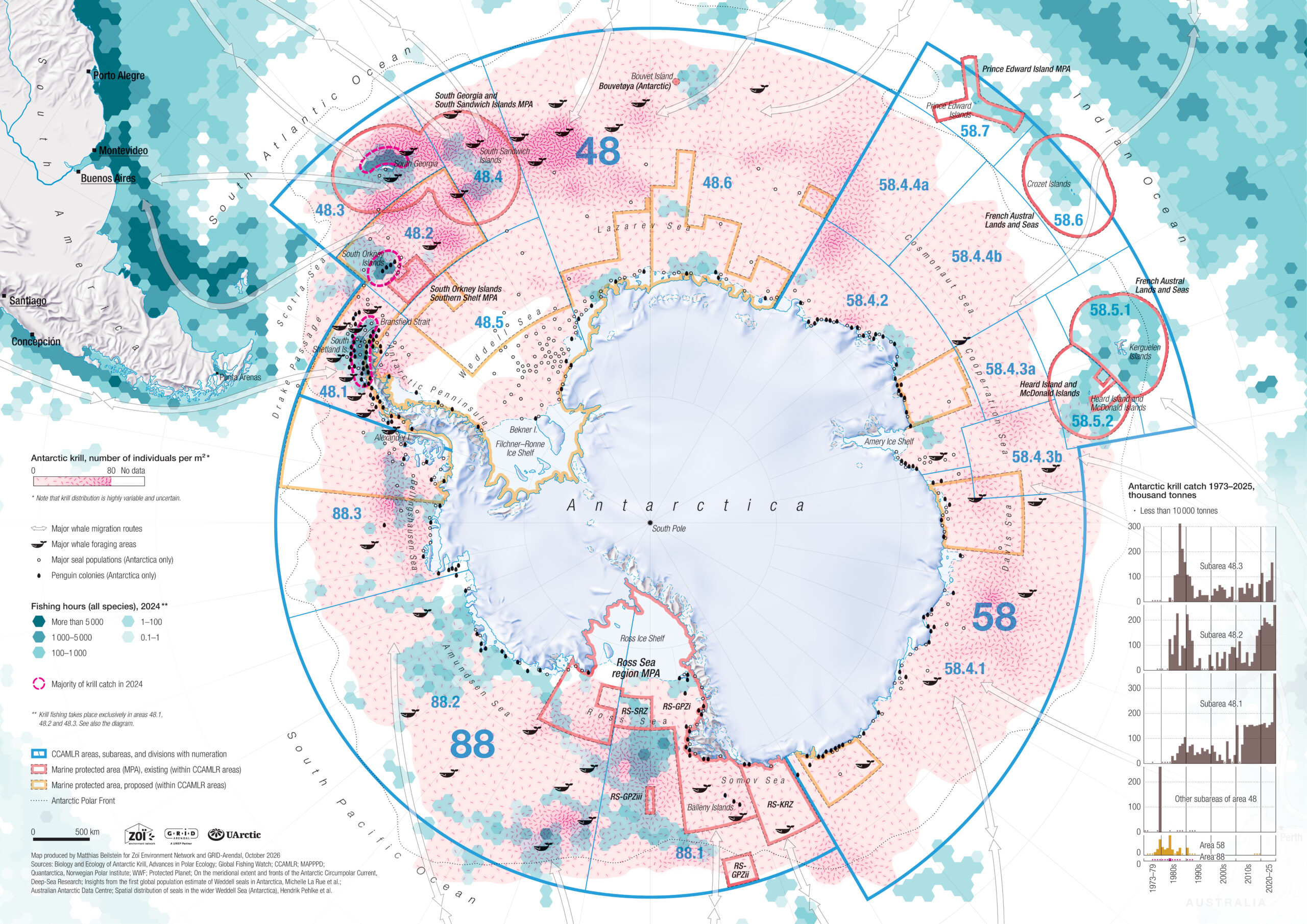
Krill provide an essential food source for whales, penguins, seals and other marine wildlife. They also contribute to ocean nutrient cycles and the wider functioning of the marine ecosystem. Fishing activity increasingly overlaps with areas where these animals depend on dense concentrations of krill, particularly around the Antarctic Peninsula.
Although overall krill populations appear relatively stable, this does not mean that every local population or feeding area is safe from excessive fishing pressure.
The geographical concentration of fishing can create serious ecological risks even when total catches remain below an overall limit.
GRID-Arendal’s publication therefore comes at a critical moment. Previous spatial catch limits expired in 2024, and the international community has yet to agree on an adequate replacement.
The report explores opportunities for common ground through a more precautionary, ecosystem-based approach, including the geographical and seasonal distribution of fishing activity and stronger scientific monitoring.
These are constructive proposals. But the discussions in Hobart demonstrate how difficult it remains to turn scientific knowledge into effective international agreements.
CCAMLR-45: Another year without decisive action
The outcome of CCAMLR-45, which concluded on 30 October, is deeply disappointing.
After two weeks of negotiations, the Commission did not reach agreement on any of the proposed new marine protected areas (MPAs) or on new precautionary measures for managing the Antarctic krill fishery.
This represents another lost opportunity to strengthen the protection of one of the world’s most important marine ecosystems.
In 2009, CCAMLR committed to establishing a representative system of marine protected areas across the Southern Ocean. Yet, seventeen years later, only two MPAs have been established: the South Orkney Islands Southern Shelf MPA and the much larger Ross Sea Region MPA.
The last new MPA was adopted in 2016.
Meanwhile, proposals for East Antarctica, the Weddell Sea and the western Antarctic Peninsula remain unresolved. Together, these proposals could protect millions of square kilometres of ecologically important ocean.
The failure to reach agreement is particularly troubling because the scientific and conservation case for protection is well established.
Climate change is transforming the Southern Ocean. Sea-ice conditions are changing, and wildlife must adapt to an increasingly uncertain environment. At the same time, commercial krill fishing is becoming concentrated in areas where whales, penguins and seals depend on the same resource.
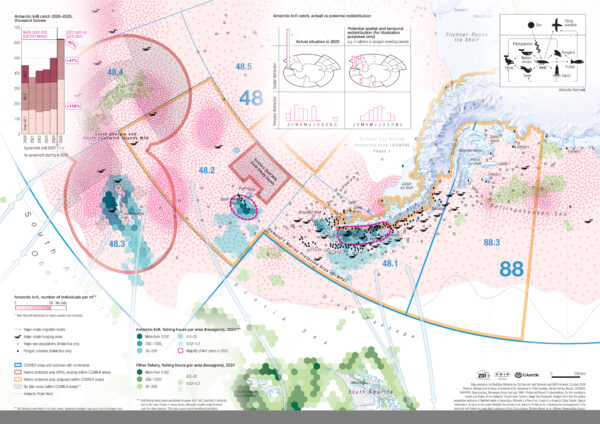
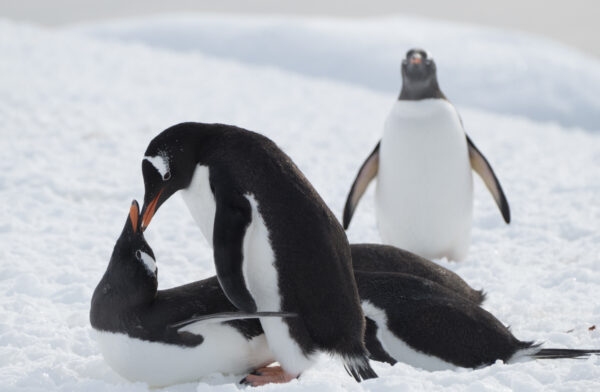
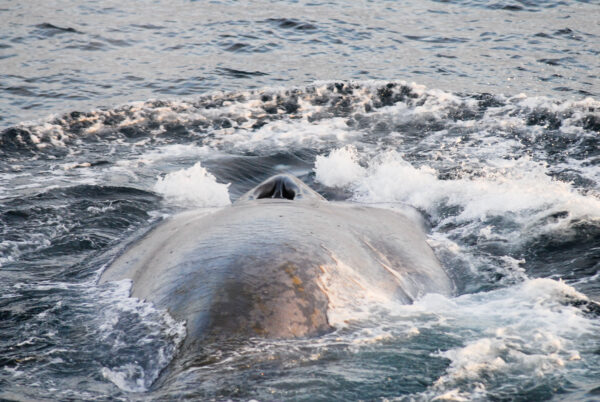
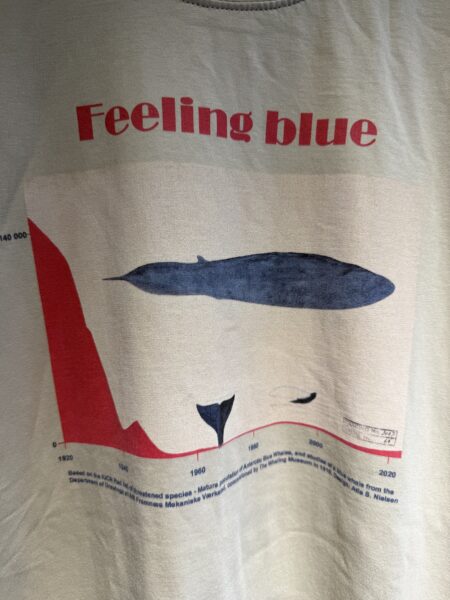
The consequences of this combination of pressures deserve a precautionary response, not continued delays.
Krill management: A warning that cannot be ignored
The krill fishery has closed early for the second consecutive year, reaching the interim overall catch threshold of 620,000 tonnes in August 2026.
This is a significant warning.
The overall catch limit alone cannot guarantee that fishing pressure is distributed in an ecologically acceptable way. Concentrated catches in particular areas and seasons may place disproportionate pressure on predators that depend on krill at critical times of the year.
A more effective management system must therefore consider the distribution of fishing activity, the needs of dependent wildlife, seasonal variations and the cumulative effects of climate change.
It should also strengthen monitoring of the wider ecosystem, including the feeding requirements of recovering whale populations.
The challenge is not necessarily to choose between fishing and conservation. It is to recognise that long-term fisheries management depends on the health and resilience of the ecosystem itself.
However, where the ecological importance of an area is exceptionally high, commercial extraction should not automatically take priority.
That is precisely why large, permanent and effectively managed marine protected areas are needed, including fully protected no-take zones.
What the conservation community is saying
The reactions from conservation organisations following CCAMLR-45 reveal both the depth of the disappointment and some reasons for cautious optimism.
The Antarctic and Southern Ocean Coalition (ASOC) expressed concern that the meeting had ended without meaningful new protections for ecosystems and species increasingly threatened by fishing pressure and climate change.
ASOC highlighted the efforts of many CCAMLR Members to find common ground, while stressing that the Commission had again failed to translate its long-standing commitments into concrete conservation outcomes.
Antarctica 2030 described the negotiations as a missed opportunity but pointed to constructive discussions that could help break the deadlock in 2027.
The organisation particularly emphasised the importance of advancing the proposed Antarctic Peninsula MPA and agreeing on a revised krill management regime. It also called for renewed political engagement during the coming year.
Our Antarctica: CCAMLR-45 ended in disappointment, but there is still hope for progress in 2027.
Agenda Antártica, represented by Rodolfo Werner, highlighted the leadership of Argentina and Chile in advancing the Antarctic Peninsula MPA proposal, with strong support from Brazil and Uruguay. Although consensus was not achieved, the organisation saw the negotiations as a step towards a possible agreement in the near future.
Pew Bertarelli Ocean Legacy expressed frustration that the Commission had failed for the tenth consecutive year to establish new protections for the western Antarctic Peninsula. It stressed that the failure to protect this globally important ecosystem raises fundamental questions about CCAMLR’s ability to fulfil its conservation mandate.
WWF-Australia emphasised the need for CCAMLR to accelerate decision-making in line with the growing international momentum for ocean protection, particularly as the implementation of the new High Seas Treaty advances.
These voices share a common concern: the Southern Ocean cannot afford indefinite political deadlock.
They also point towards a constructive way forward. The negotiations have identified areas where further compromise may be possible, and a number of Members have expressed willingness to continue working towards agreement between annual meetings.
The coming year must now be used to turn that willingness into results.
VISION 52: Complete the ring of marine protection around Antarctica
For VISION 52, the outcome of CCAMLR-45 reinforces the importance of our vision: a complete ring of marine protection around Antarctica.
Antarctica should not be approached simply as a collection of separate fishing grounds, individual species or isolated protected areas. The Southern Ocean functions as an interconnected ecosystem, and its protection must reflect that reality.
Our vision is a representative network of large, permanent marine protected areas extending around the Antarctic continent, with effectively managed no-take zones in which commercial extraction of marine life is prohibited.
The Ross Sea Region MPA demonstrated that large-scale marine protection is possible, even in a complex international political environment.
But the ring remains incomplete.
The proposed MPAs in East Antarctica, the Weddell Sea and the Antarctic Peninsula are essential building blocks of a representative network. Their establishment would protect different habitats, ecological communities and important areas for feeding, breeding and the survival of Antarctic wildlife.
They would also contribute to the global 30×30 commitment to protect at least 30 per cent of the world’s land and ocean by 2030.
For VISION 52, however, the objective must be more than achieving a percentage on a global map.
Protection must be ecologically meaningful, permanent and effective. It must safeguard the processes that sustain marine life, including the food webs on which whales, penguins and seals depend.
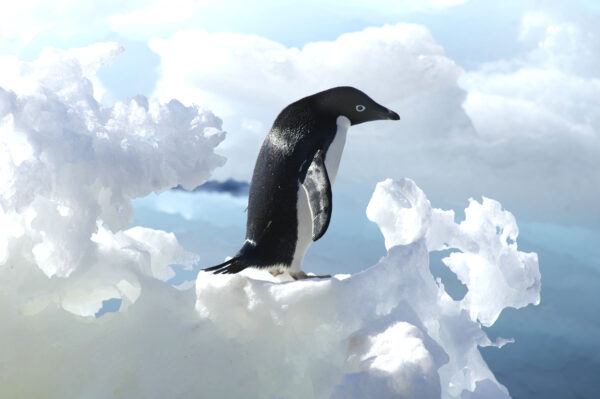
Krill management and marine protected areas should therefore be treated as complementary elements of a coherent conservation strategy.
Improved fisheries management can reduce immediate pressure on vulnerable areas. Large, permanent MPAs can provide stronger long-term protection for critical ecosystems, particularly where commercial extraction is incompatible with conservation objectives.
A complete ring would not eliminate the impacts of climate change or every threat facing Antarctic wildlife. But it would provide a stronger framework for resilience, scientific research and the long-term protection of the Southern Ocean.
Could 2027 become a turning point?
Despite the disappointing outcome in Hobart, there are reasons not to abandon hope.
The negotiations on the Antarctic Peninsula MPA brought together Members seeking to overcome outstanding differences. Argentina and Chile continued to advance the proposal, and several other Members supported efforts to find common ground.
China also introduced a new proposal for an East Antarctic MPA, adding another important element to the wider discussion.
Following CCAMLR-45, key Members agreed to pursue further intersessional work on the Antarctic Peninsula MPA and a revised krill management regime ahead of the next annual meeting, CCAMLR-46.
This creates an opportunity.
The next twelve months should be used to resolve outstanding technical and political questions, strengthen cooperation and prepare concrete decisions for adoption in 2027.
Norway has a particular responsibility and opportunity here. As a country with a long polar research tradition and a direct role in the Antarctic krill fishery, Norway can help bridge differences between fisheries interests and conservation priorities.
It should use its diplomatic influence to promote precautionary fisheries management, effective protection of ecologically important areas and progress towards a representative network of Antarctic MPAs.
The wider international community must also recognise that the Southern Ocean is central to global biodiversity, ocean circulation and the climate system.
Protecting Antarctica is not a peripheral environmental issue. It is an important test of whether international cooperation can deliver meaningful results when faced with powerful competing interests.
The Ross Sea agreement showed what can be achieved. The next step is to build on that success.
What can Antarctic tourism contribute?
There is another group with a direct interest in the future of the Southern Ocean: the Antarctic tourism community.
Antarctic tourism brings people into direct contact with one of the world’s most extraordinary natural environments. Encounters with whales, penguins, seals and vast landscapes can create a powerful and lasting commitment to conservation.
Tourism operators also have a clear interest in maintaining the ecological integrity of Antarctica. Their activities depend on the continued existence of healthy marine ecosystems, abundant wildlife and the exceptional wilderness character of the region.
This creates an opportunity to extend the contribution of tourism beyond minimising the environmental impacts of individual voyages.
Antarctic tourism can become a stronger voice for marine protection.
Tour operators, expedition leaders, naturalists and their passengers could help build public understanding of the relationship between krill fishing, marine ecosystems and protected areas.
They could also encourage governments to support effective conservation measures through the international processes responsible for Antarctica’s future.
VISION 52 sees several practical opportunities:
1. Make marine protection a central part of the Antarctic experience.
Expedition programmes could include clear explanations of CCAMLR, the existing MPAs, the proposals awaiting agreement and the importance of krill to the Southern Ocean food web.
Passengers should understand not only the beauty of Antarctica but also the political choices that will determine its future.
2. Turn visitors into informed ambassadors.
Passengers could be invited to express their support for completing the ring of Antarctic MPAs and for effective protection of krill-dependent ecosystems.
A simple statement, signed voluntarily by visitors from different countries, could demonstrate the breadth of public support for marine protection.
3. Encourage constructive engagement with governments.
Tour operators could provide passengers with information on how to contact their national representatives and encourage support for Antarctic conservation.
The aim would be to promote informed, respectful engagement rather than confrontation.
4. Invite the tourism industry to speak collectively.
IAATO members could explore a joint statement supporting the completion of a representative network of Antarctic MPAs, including fully protected no-take areas, alongside precautionary krill management.
Such a statement would demonstrate that responsible tourism recognises the long-term importance of ecosystem protection.
5. Build partnerships across science, conservation and tourism.
Operators could work with scientists and conservation organisations to improve public understanding of Antarctic marine ecosystems, share relevant observations and communicate the importance of effective protection.
These activities should complement existing conservation efforts rather than duplicate them.
Tourism cannot replace the responsibility of governments, and visitors cannot decide the outcome of CCAMLR negotiations. But an informed and engaged tourism community can help create the public and political conditions in which stronger decisions become possible.
The opportunity is to connect the experience of Antarctica with a lasting commitment to its protection.
From experiencing Antarctica to taking responsibility for its future
VISION 52 believes that the failure to reach agreement at CCAMLR-45 should strengthen, rather than weaken, our determination to complete the ring of marine protection around Antarctica.
GRID-Arendal’s new publication offers a valuable contribution to understanding the challenges of krill management and identifying areas where common ground may be found.
The outcome of CCAMLR-45 demonstrates why that knowledge must now be translated into action.
The coming year offers a chance to renew international cooperation, advance the Antarctic Peninsula MPA, make progress on the Weddell Sea and East Antarctic proposals, and agree on a more precautionary approach to krill fishing.
It also offers an opportunity to bring new voices into the discussion.
Scientists, conservation organisations, responsible fishing interests, tourism operators and Antarctic visitors all have a role to play in building support for a healthier Southern Ocean.
VISION 52 invites these groups to join a renewed effort towards a complete ring of marine protection around Antarctica.
The objective is ambitious, but the essential building blocks already exist. The Ross Sea has shown that large-scale protection is achievable. Scientific evidence is available, proposals are on the table, and the ecological importance of the Southern Ocean is beyond dispute.
What is needed now is the political determination to finish the job.
Let us turn the disappointment of CCAMLR-45 into a new commitment for 2027.
Let us complete the ring of marine protection around Antarctica.
And let us make the Southern Ocean a lasting example of how international cooperation can protect an entire marine ecosystem for future generations.
VISION 52 – From witnessing nature to taking responsibility for its future.