
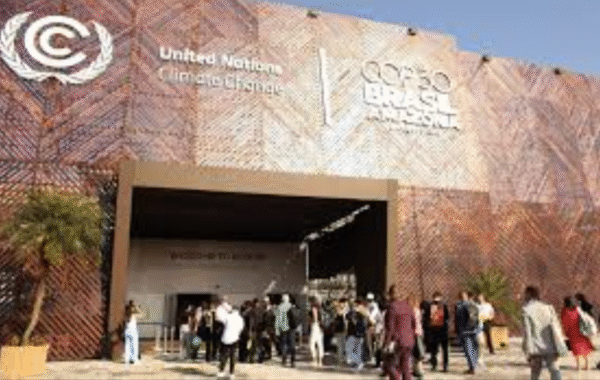
From 10 to 21 November 2025, the world’s governments gathered in Belém, Brazil, for COP30 — the 30th meeting of the parties under UNFCCC. The choice of location, in the heart of the Amazon rainforest, was deliberate: forests and nature were to take center stage. UNFCCC+2Serviços e Informações do Brasil+2
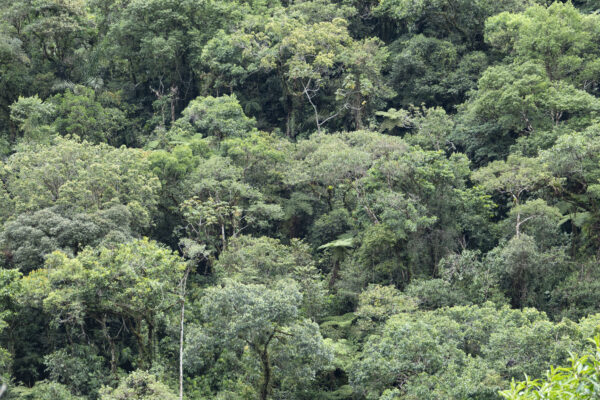
COP30 has delivered some important steps forward — especially around climate finance, forest protection and recognition of Indigenous peoples — but also exposed deep divisions and left many key expectations unmet.
✅ What worked — forest finance, inclusion, and a shift to “nature-based” climate thinking
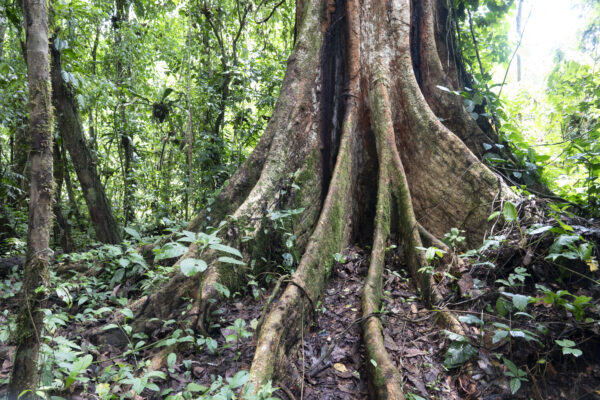
• Launch of a global forest fund: Tropical Forests Forever Facility (TFFF)
- Perhaps the most historically significant outcome: with COP30, the TFFF was officially launched — a new multilateral mechanism that aims to reward countries for preserving tropical forests instead of destroying them. COP30 Brasil+2United Nations+2
- The fund’s design is explicit: payments to tropical-forest nations will be conditional on verified forest conservation (via satellite data monitoring of canopy cover). COP30 Brasil+1
- The ambition is big: TFFF aims to raise up to US$ 125 billion (≈ €108 billion) — combining public, philanthropic and private-sector investments. COP30 Brasil+2euronews+2
- At COP30’s launch event, 53 countries endorsed the TFFF Declaration, and several governments committed funds: for instance, Norway pledged US$ 3 billion over 10 years; Brazil and Indonesia reconfirmed US$ 1 billion each. COP30 Brasil+2euronews+2
- At least 20 % of TFFF funds are reserved for Indigenous Peoples and local communities (IPLCs) — a structural guarantee that forests’ stewards benefit directly. COP30 Brasil+1
This fund marks a paradigm shift: forests are no longer treated as “free resources to exploit,” but as vital global public goods whose value must be recognized and compensated — combining climate stability, biodiversity, water cycles and livelihoods.

• Forests & nature at the heart of the climate agenda
- COP30’s “Action Agenda” puts forest, oceans and biodiversity protection as one of its six thematic axes — signalling a clear shift to integrate climate, biodiversity and sustainable development. climateaction.unfccc.int+2Forbes+2
- Support for Indigenous peoples and local communities got unprecedented visibility: COP30 featured the largest-ever participation of Indigenous leaders at a UN climate conference. Reuters+2euronews+2
- Some 10 new Indigenous territories in Brazil were demarcated; a substantial share of TFFF funding is earmarked for their protection and stewardship. Reuters+2euronews+2

For major environmental and conservation organisations — such as WWF, Conservation International and others — COP30 is being seen as a historic attempt to link climate action and biodiversity conservation, by rewarding standing forests and empowering local stewards. wwf.org.br+2Conservation International+2
⚠️ Where COP30 disappointed — fossil fuels, deforestation roadmap, political compromise
Despite important steps, COP30 fell short on several critical ambitions:
- The summit failed to deliver a binding roadmap for fossil-fuel phase-out: although many countries pushed for it, opposition from oil-producing states (notably Saudi Arabia, Russia and their allies) blocked explicit fossil-fuel language in the final agreement. Reuters+2The Guardian+2
- A global mandatory deforestation-free roadmap did not materialize: plans to enshrine a common 2030 zero-deforestation target were dropped; instead the final text only offers voluntary guidelines. Reuters+2The Guardian+2
- Many environmentalists and Indigenous groups reacted with disappointment, warning that voluntary measures without enforcement risk making COP30 a symbolic rather than transformative event. Reuters+2The Guardian+2
- The amount and speed of adaptation and climate-finance funding remain contentious: while wealthy countries agreed to triple adaptation finance, the target (US$ 120 billion per year) was deferred to 2035 — too late for many communities already facing climate emergencies. Reuters+2The Guardian+2
In sum: COP30 balanced on a tightrope between ambition and compromise — the forest-finance breakthrough stands out, but key structural drivers of the climate crisis (fossil fuels, deforestation) remain insufficiently addressed.
🌳 Why the TFFF — or any global forest fund — matters for climate and biodiversity

For a conservation organisation like VISION 52, the TFFF is a striking example of how climate action and biodiversity protection can — and must — be linked. Here’s why:
- Carbon storage and biodiversity go hand in hand. Tropical forests are among the planet’s largest carbon sinks; at the same time, they harbour a substantial share of terrestrial biodiversity. Protecting them helps avoid greenhouse-gas emissions and prevents species loss.
- Ecosystem services beyond carbon: Healthy forests regulate rainfall, sustain water cycles, stabilize soils, support Indigenous and local communities — all vital for adaptation to climate change, food security and sustainable livelihoods.
- Aligning incentives with long-term stewardship: Historically, short-term economic gains from deforestation (e.g. agriculture, logging) have outweighed the value of standing forests. A mechanism like TFFF flips that dynamic: it financially rewards standing forests — making conservation economically rational.
- Justice and local empowerment: By earmarking funds for Indigenous and local communities, TFFF acknowledges that those who have historically protected forests deserve direct benefit. This can strengthen forest governance, reduce land-grabbing pressure, and safeguard traditional knowledge.
In short: TFFF operationalizes what many NGOs have long demanded — a global system that recognises standing forests as essential climate- and biodiversity-infrastructure, not as commodities to consume.
📣 What leading NGOs and environmental voices say (and what remains to be done)
- The leadership of WWF called the TFFF “a game-changer” for forest finance — but warned that success depends on robust, transparent monitoring, respect for Indigenous land rights and preventing “greenwashing” by private investors. Context News+1
- Meanwhile, several civil-society organisations argue that the failure to deliver a mandatory fossil-fuel phase-out or a legally binding deforestation roadmap means the world is still on a path of “dangerous compromise” — and that COP30’s gains are fragile. The Guardian+2The Guardian+2
- For many Indigenous leaders and forest-dependent communities, COP30 is a double-edged sword: recognition and finance, yes — but long-term security depends on whether their land tenure and rights are respected, and whether financial flows actually reach the ground. Reuters+2United Nations+2
For VISION 52, this underscores our mandate: support initiatives that link wildlife/nature protection with climate mitigation, advocate for equitable and transparent forest finance, and contribute to safeguarding not only biodiversity — but also human communities and climate stability.