by Peter Prokosch
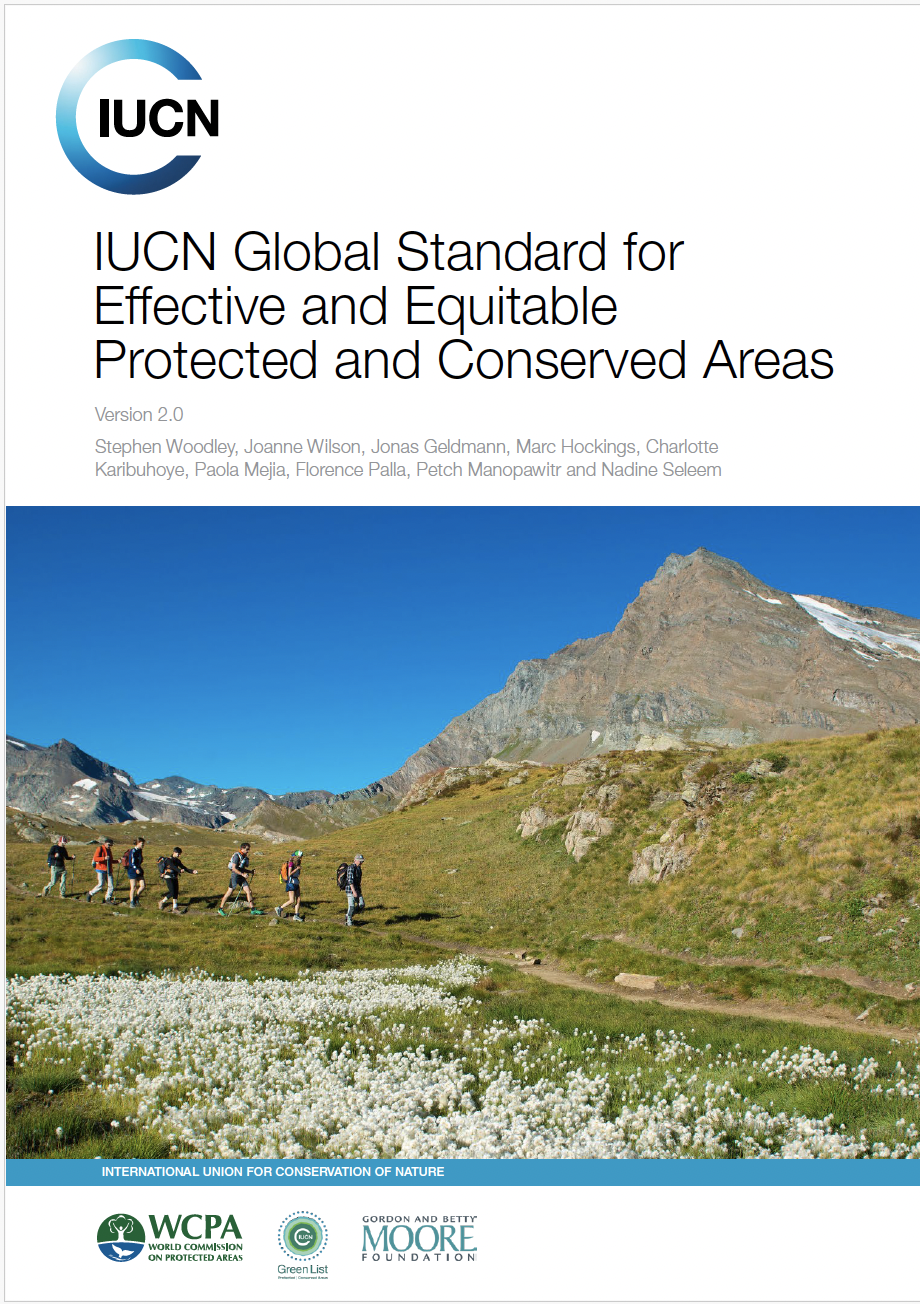
As a member of the IUCN World Commission of Protected Areas (WCPA) and engaged in conservation and protected areas in Norway, I like to highlight and spread the knowledge about a new report: IUCN Global Standard for Effective and Equitable Protected and Conserved Areas. This report provides an opportunity to rethink what a national park should actually mean. In Norway, it could also prompt a rethink of the management and statutes of its famous national parks, which in reality meet only landscape-protected-area standards.
According to IUCN Category II, a national park should protect large, largely natural ecosystems, allowing natural ecological processes and wildlife populations to function with as little human interference as possible.
By this measure, none of mainland Norway’s national parks currently fulfils the ambition of a true IUCN Category II national park.
Norway has created an extensive network of national parks, but their protection often remains compatible with traditional exploitation. Hunting and fishing are generally permitted, livestock grazing continues in many areas, and the country’s large predators are denied sufficient space in parts of their former natural ranges because of conflicts with livestock interests.
This raises a fundamental question: can we really call an area a national park if nature is not allowed to function naturally?
A National Park Effect: Wildlife and Visitors Can Benefit Together
Experiences from national parks in other countries show an important additional benefit of ending hunting: wild animals gradually lose their fear of people when they no longer associate human presence with being shot. Their flight distances can become considerably shorter, allowing visitors to observe and experience wildlife at close range. Animals can also make greater use of areas frequented by hikers instead of avoiding large parts of their natural habitat. This could offer a particularly promising solution to the current conflict between DNT hikers and wild reindeer in Norway’s national parks. By separating hunting from hiking, keeping visitors on well-defined trails and providing undisturbed refuges for wildlife, Norway could create a situation in which both people and wild reindeer benefit.
Norway needs to move beyond counting protected square kilometres and start creating genuinely functioning ecosystems. This means giving natural processes priority, allowing large predators to recover, reducing exploitation and ensuring that wildlife has sufficient undisturbed habitat.
The same ambition must apply to Marine Protected Areas (MPAs). Protecting areas of ocean on a map is not enough if fishing pressure, destructive activities and other human impacts continue to undermine marine ecosystems. Genuine marine protection must allow fish populations, seabirds, marine mammals and entire food webs to recover and thrive.
The new IUCN Global Standard offers Norway a valuable framework for this transformation.