
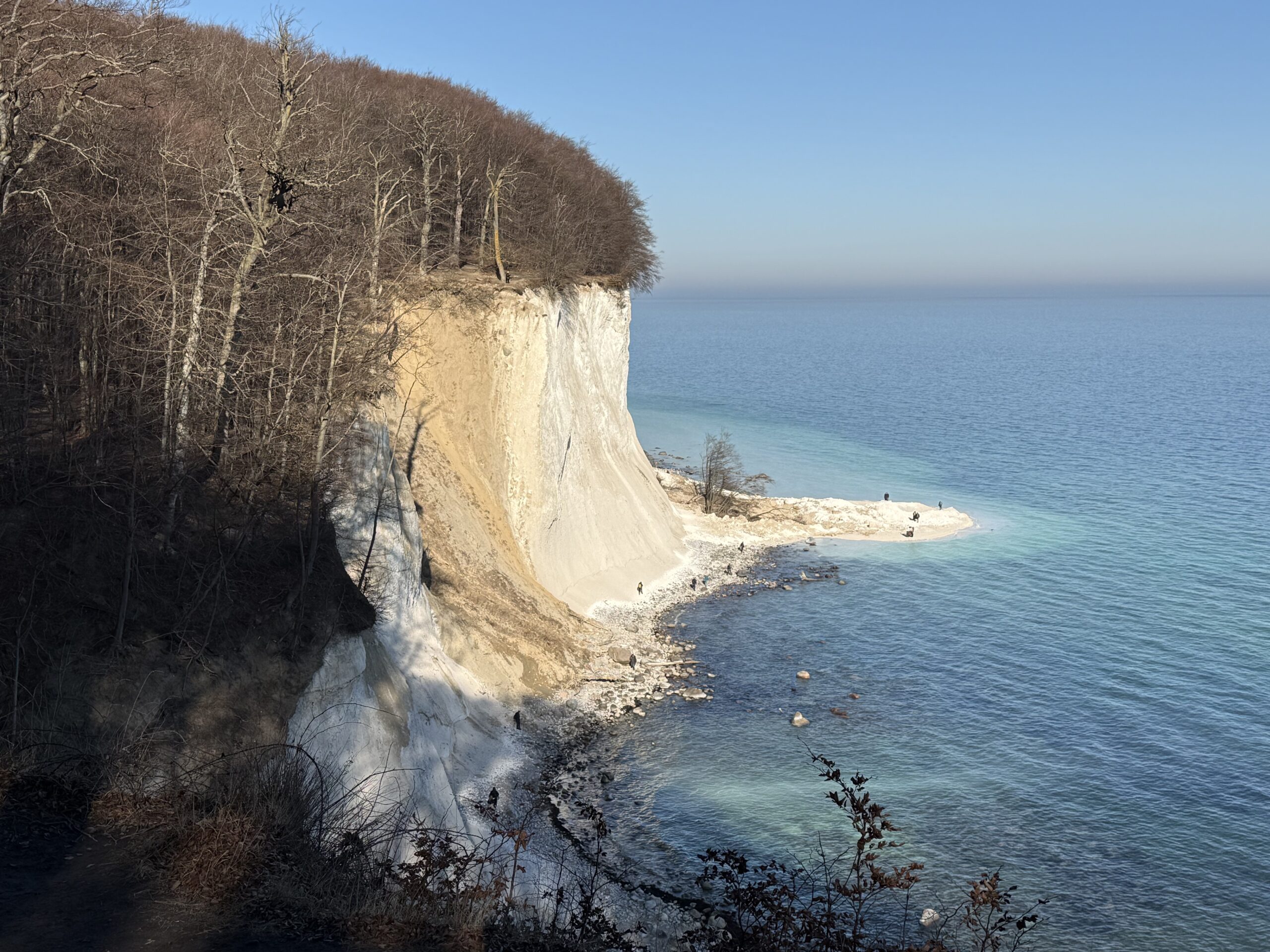
During the past few days I had the opportunity to briefly visit two German national parks: Jasmund National Park on the island of Rügen and Lower Oder Valley National Park along the Polish border. Even short visits can offer revealing insights into how protected areas evolve over time, and how the idea behind national parks gradually takes root in society.
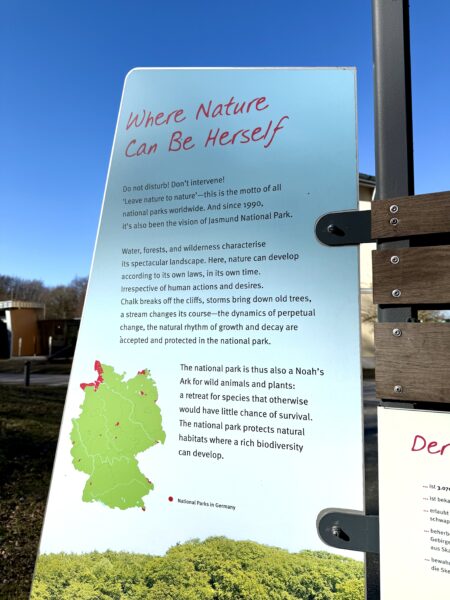
In Jasmund National Park, a recent natural event had just occurred: a section of the famous chalk cliff had broken off. Such events may appear dramatic, but they perfectly illustrate the guiding principle of Germany’s national parks: “Let nature be nature.” Coastal erosion, landslides, and the constant reshaping of the cliffs are natural processes that the park is designed to allow, not prevent. Observing this reminder of nature’s dynamism made the philosophy of national parks tangible.
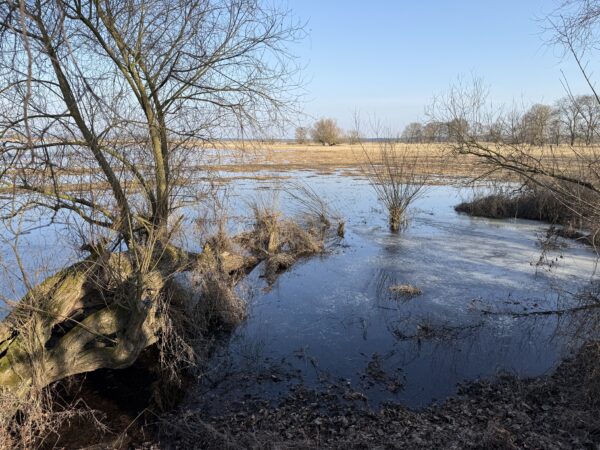
In the Lower Oder Valley National Park, founded in 1995, I learned about an interesting long-term vision. When the park was established, managers developed a perspective looking ahead to the year 2095, imagining how the landscape might evolve if natural processes were increasingly allowed to shape it. According to a park representative I spoke with, this vision may actually be realized much sooner, perhaps already by 2030.
Large and expanding parts of the park are now being left to natural development. As a result, new species are settling in and ecosystems are becoming more dynamic and diverse. One particularly striking observation relates to wildlife behavior. Since hunting has been prohibited in the park from the beginning, a well-known “national park effect” has emerged: wild animals gradually lose some of their fear of humans. Roe deer, for example, show a significantly shorter flight distance inside the park than outside its boundaries.
My overall impression from these brief visits is encouraging. National parks in Germany appear to be developing in a positive direction. At the same time, public understanding is growing that the true goal of national parks is not to control nature, but to allow natural processes to unfold.