
Yerevan, 19–30 October 2026
By Peter Prokosch
The world is approaching a decisive moment for biodiversity. Four years after adopting the Kunming–Montreal Global Biodiversity Framework, governments are meeting in Yerevan for CBD COP17. The question is urgent: will they turn their commitments into effective conservation before 2030?
The framework contains 23 targets, addressing the many causes of biodiversity loss. Among them, Target 3 — the 30×30 target — is particularly important: to conserve at least 30% of the world’s land, inland waters, coastal areas and oceans by 2030.
Why does this target matter so much? Protected and conserved areas can safeguard habitats, prevent extinctions, maintain ecological processes and provide refuges for nature to recover. They can also strengthen resilience to climate change and help sustain the ecosystems on which human societies depend.
But the decisive word is effective. Counting protected areas on a map is not enough. Their boundaries, management and regulations must ensure that biodiversity is genuinely conserved. Areas that continue to experience damaging fishing, hunting, habitat destruction or other pressures may contribute little to the intended objective.
The challenge is therefore twofold: governments must expand conservation coverage rapidly while ensuring that protected areas deliver real ecological results. Other targets — including ecosystem restoration, sustainable use and the reform of harmful subsidies — remain essential, but effective protection is one of the most direct ways to secure places where nature can survive and recover.
Norway: International ambition, national shortcomings
Norway provides a striking example of the gap between international leadership and domestic implementation.
The country supports international environmental agreements, contributes to global environmental cooperation and has helped advance ambitious conservation goals, including 30×30. Yet its own implementation raises serious questions.
As I explain in my forthcoming East Atlantic Flyway book, Chapter 22, “Norway: Not Everything That Glitters Is Gold”, many Norwegian protected areas remain subject to substantial human use. Hunting and fishing are generally permitted in the country’s national parks, while marine protected areas can allow activities that continue to place pressure on vulnerable ecosystems.
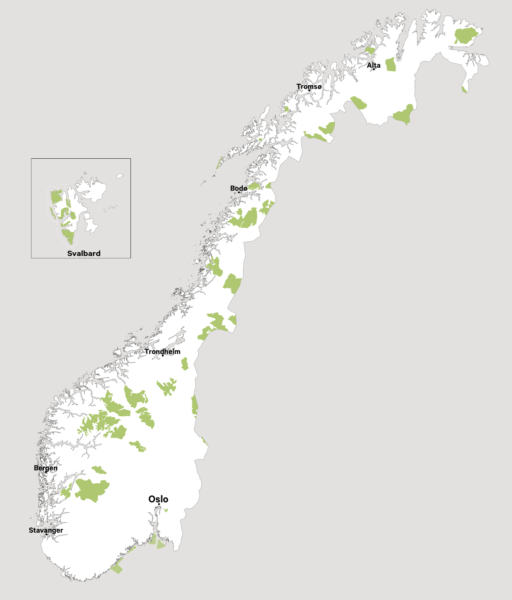
This creates a fundamental contradiction: how credible is a country’s international call for effective nature protection if its own national parks do not consistently provide the strict protection associated with international national-park standards?
Norway’s marine conservation challenge is particularly important. Its extensive coastline and internationally significant seabird populations make effective marine protection essential. Designating an area is only the beginning; meaningful restrictions, ecological monitoring and enforcement must follow.
Raet: An opportunity to set a new standard
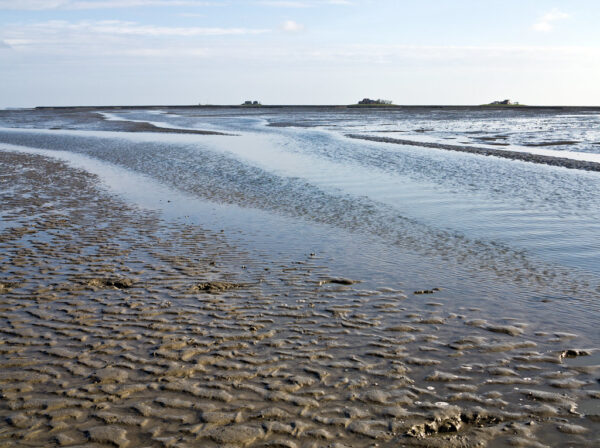
Norway’s Raet National Park, on the coast of Agder, illustrates both the problem and the opportunity. Established in 2016, it covers approximately 607 km², around 98% of which is marine. It protects a distinctive coastal landscape and habitats including kelp forests, seagrass meadows, sand and mudflats.
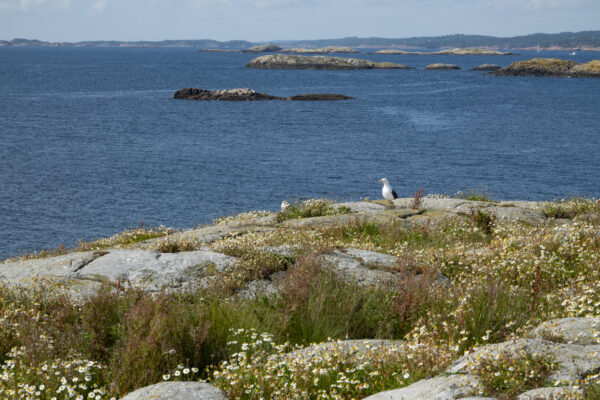
Yet, as discussed in my book, its current regulations do not provide the level of protection envisaged by strict international national-park standards. Fishing and hunting remain permitted across much of the area.
My vision is for Raet to become Norway’s first truly effective marine national park under these standards. Large no-take zones, protection of vulnerable habitats and restrictions on hunting could make a substantial difference. Such measures could also help rebuild marine life and fish populations, with potential benefits beyond the protected zones.
This would send a powerful message: Norway can match its international conservation ambitions with action at home.
Germany and the international picture
Germany presents a different situation. European data for 2023 reported protected-area coverage of 39.1% of its land and 45.5% of its marine waters. These figures exceed the numerical 30% threshold, although coverage alone does not demonstrate that every ecosystem is adequately represented or effectively protected.
Norway and Germany illustrate why simple country rankings can be misleading. The figures depend on geographical boundaries, definitions and reporting methods. The real test is whether protected areas conserve biodiversity, restrict damaging activities where necessary and are managed effectively over the long term.
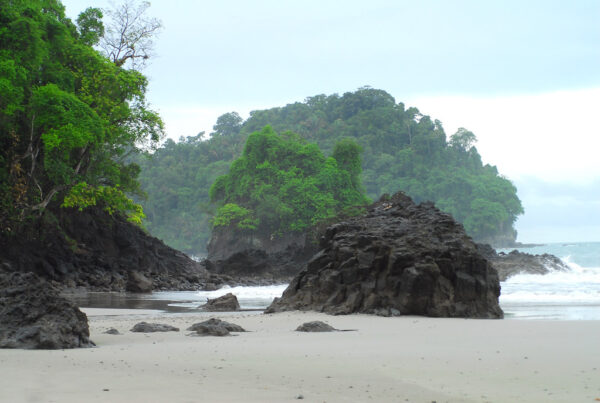
Countries and territories such as Costa Rica and Palau offer useful experiences in forest and marine conservation. Their achievements can inspire others, provided that international comparisons focus on ecological outcomes rather than headline percentages.
Can positive competition accelerate progress?
COP17 should encourage governments to learn from one another and demonstrate measurable progress towards 2030. Transparent reporting, comparable indicators, scientific cooperation and international financial support could help turn 30×30 into a shared achievement.
A constructive race between countries could reward more than the creation of new protected areas. It could recognise effective management, restored ecosystems, improved connectivity, the involvement of local communities and the protection of biodiversity-rich areas that remain inadequately conserved.
But competition must not become a race to draw boundaries on maps. The objective is not to designate 30% of the planet on paper. It is to conserve at least 30% effectively.
Armenia: Cooperation despite geopolitical tensions
Armenia provides a distinctive setting for this global meeting. The Caucasus is a region of considerable biodiversity, and the conference takes place against a wider backdrop of geopolitical tensions, including relations involving Russia.
The host country’s location alone cannot predict Russia’s negotiating position. What matters is whether governments can maintain constructive cooperation on biodiversity despite political disagreements, and whether the final decisions strengthen implementation, accountability and financing.
Nature crosses borders. Migratory birds, rivers, oceans and ecological networks connect countries regardless of political divisions. Their protection requires international cooperation.
VISION 52: A test of credibility
For VISION 52, COP17 should be judged by three fundamental questions:
- Will governments establish a credible pathway to achieve 30×30 by 2030?
- Will protected areas become genuinely effective, with appropriate management and restrictions on damaging activities?
- Will countries demonstrate the same ambition at home that they promote internationally?
The third question is especially relevant to Norway. International leadership matters, but it must be matched by national action. Raet could become an important example of how to close that gap.
The success of COP17 will not be measured by declarations alone. It will be measured by whether nature receives the protection governments have promised — on land and at sea, in Norway and around the world.
The time to turn 30×30 into reality is now.
VISION 52 will follow the outcomes of COP17 and assess what they mean for the implementation of the global biodiversity framework.